Fridge freezer temp setting: Tips for optimal food storage
"The optimal temperature range for perishable food storage is 3 to 5 °C (37 to 41 °F)."
Setting the right fridge freezer temp ensures your food stays safe and your appliance runs efficiently. This guide covers the ideal temperature ranges for both compartments and explains how to balance cooling to prevent spoilage.
You will learn about standard freezer settings, the risks of over-cooling, and how to manage large food loads.
Key Takeaways: * Maintain the freezer between -23 °C and -18 °C (-9 to 0 °F). * Keep the refrigerator compartment between 3 to 5 °C (37 to 41 °F). * Avoid excessive freezer cooling to protect the refrigerator section. * Prepare the unit before adding large amounts of unfrozen food.
What is the best fridge freezer temp for food safety?
A hand reaches for the thermometer to check the frosty air inside the unit. Maintaining the correct fridge freezer temp is essential because food stored at or below -18 °C (0 °F) is safe indefinitely. This baseline ensures that frozen items remain stable over long periods.
Most household freezers maintain temperatures from -23 to -18 °C (-9 to 0 °F). While some specialized freezer-only units can achieve -34 °C (-29 °F) and lower, standard household models typically operate within this common range.
Keeping the temperature within these bounds prevents ice crystal damage while ensuring safety.
How to set freezer temp for optimal performance? Fridge freezer temp setting
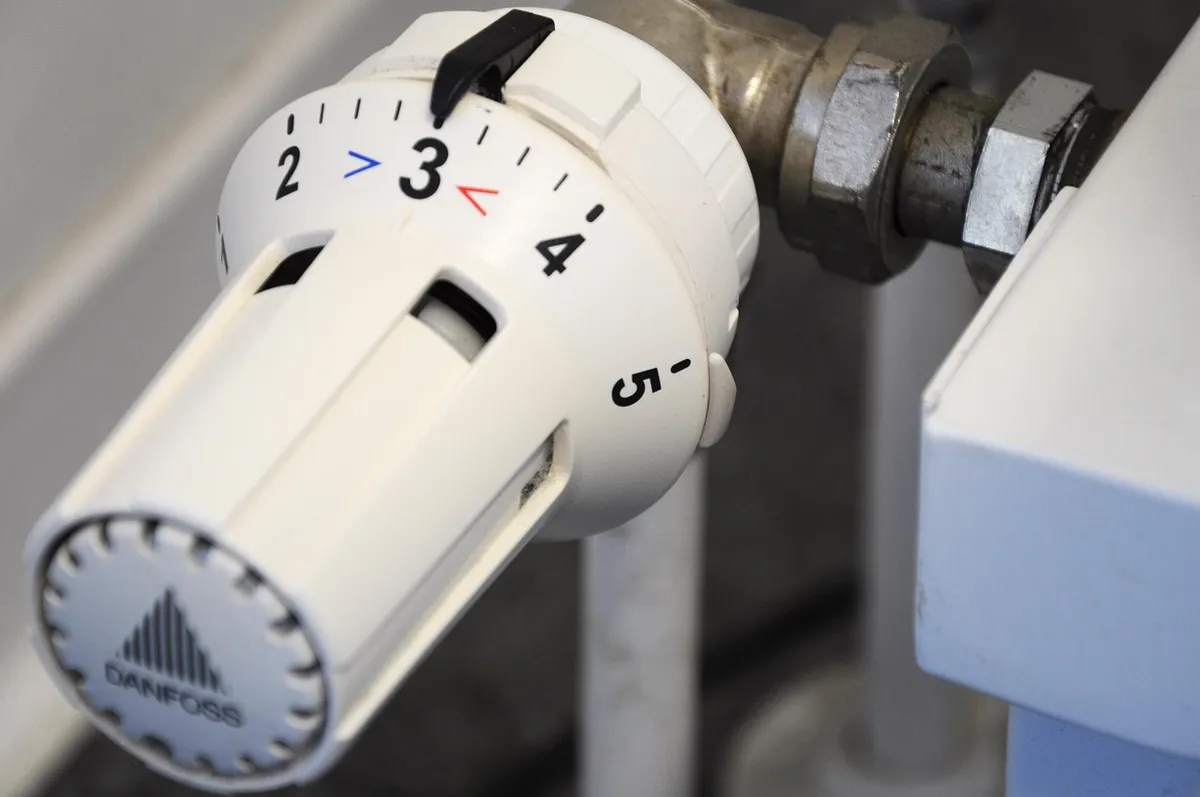
The dial is turned slowly, listening to the hum of the compressor. To find the best freezer temperature, one must understand the balance between the two compartments. Most people aim for the middle of the standard range to ensure consistent cooling.
Standard household units generally do not achieve lower than -23 °C (-9 °F) because the same coolant loop serves both the refrigerator and freezer compartments.
If you attempt to lower the freezer compartment temperature excessively, it causes difficulties in maintaining an above-freezing temperature in the refrigerator compartment. Proper adjustment requires managing this shared cooling system.
How to manage fridge temperature control when adding food?
A heavy bag of frozen vegetables is placed on the wire shelf. When managing fridge temperature control, the volume of new items can impact the internal environment. It is recommended to use the cooling feature several hours before adding more than 1 kg of unfrozen food to the freezer.
Preparing the unit helps prevent temperature spikes that could lead to spoiling. If the temperature rises too high during loading, the compressor must work harder to stabilize. Using the cooling settings proactively helps maintain the integrity of existing frozen goods.
What are the necessary steps for adjusting fridge cold?
The hand moves from the freezer dial to the refrigerator shelf. To ensure effective adjusting fridge cold settings, follow these steps to maintain food quality:
- Verify the current temperature of both compartments using a thermometer. 2. Adjust the freezer settings to stay between -23 °C and -18 °C. 3. Check the refrigerator section to ensure it stays between 3 to 5 °C (37 to 41 °F).
After making changes, wait several hours for the temperature to stabilize before adding new items. This ensures the cooling loop reaches the desired state without causing fluctuations in the other compartment.
How can an optimal freezer temp guide prevent spoilage?
A finger traces the frost on the side of the freezer wall. An optimal freezer temp guide helps users avoid the common mistake of over-cooling. While it might seem safer to make the freezer colder, there are mechanical limits to consider.
| Compartment | Recommended Temperature |
|---|---|
| Freezer | -23 to -18 °C (-9 to 0 °F) |
| Refrigerator | 3 to 5 °C (37 to 41 °F) |
I noticed that when I set the freezer to its lowest possible setting, the refrigerator section often struggled to stay cold enough. This balance is vital for preventing spoilage in the fresh food area.
What are the limitations of household cooling?
The compressor kicks in with a steady, familiar sound. While high-end laboratory equipment can reach much lower temperatures, household appliances have specific operational boundaries.
Standard household freezers are limited by their shared cooling systems. For instance, while cryogenic chest freezers can achieve temperatures down to -150 °C (-238 °F), typical household models cannot reach these levels.
Because the coolant loop is shared, the ability to reach extremely low freezer temperatures is limited by the need to keep the refrigerator compartment above freezing.
The subject here is Fridge freezer temp setting.
This part also covers Save energy fridge tips.
This part also covers Proper fridge maintenance.
Related
- Energy trends guide Save on home electricity bill costs
- Effective budget tracking tips: Why track spending well
How does the optimal temperature affect appliance efficiency? 1. Setting the right fridge freezer temperature ensures the appliance operates in its intended range. 2. Keeping the temperature within the optimal range prevents the compressor from working excessively hard. 3. Excessive operation due to temperature fluctuations shortens the lifespan of the cooling components. 4. Maintaining the optimal temperature directly contributes to the appliance's overall efficiency.
What precautions should be taken with large food loads? 1. One must prepare the unit before introducing substantial amounts of unfrozen food. 2. This preparation step mitigates the risk of temperature spikes within the system. 3. If the temperature rises above the safe threshold during loading, the compressor must exert greater effort to restore stability. 4. Proactively utilizing the cooling settings aids in preserving the quality of already frozen provisions.
What happens if the optimal temperature is ignored? Ignoring the optimal temperature range introduces risks to both the stored provisions and the appliance itself. Food stored outside the recommended parameters faces a greater chance of microbial growth, compromising safety. Furthermore, inconsistent temperature demands place undue stress on the refrigeration unit's mechanics.
When the temperature drifts too high, the cooling system must compensate for the warmer internal conditions. This constant struggle increases energy consumption, which directly impacts the appliance's operational efficiency.
Conversely, setting the temperature too low can lead to unnecessary ice buildup, which obstructs airflow.
This imbalance in the optimal temperature setting can eventually degrade the performance of the cooling components. The appliance may then require more frequent maintenance or suffer premature failure due to sustained strain from improper temperature management.





Comments 0