Energy trends guide Save on home electricity bill costs
"The cost of keeping the lights on is rising for many households, making efficiency a necessity rather than a luxury."
Managing a home budget often requires finding ways to save on home electricity bill expenses as utility rates fluctuate. This guide provides practical steps to reduce power usage tips and lower electric costs now through smarter consumption habits.
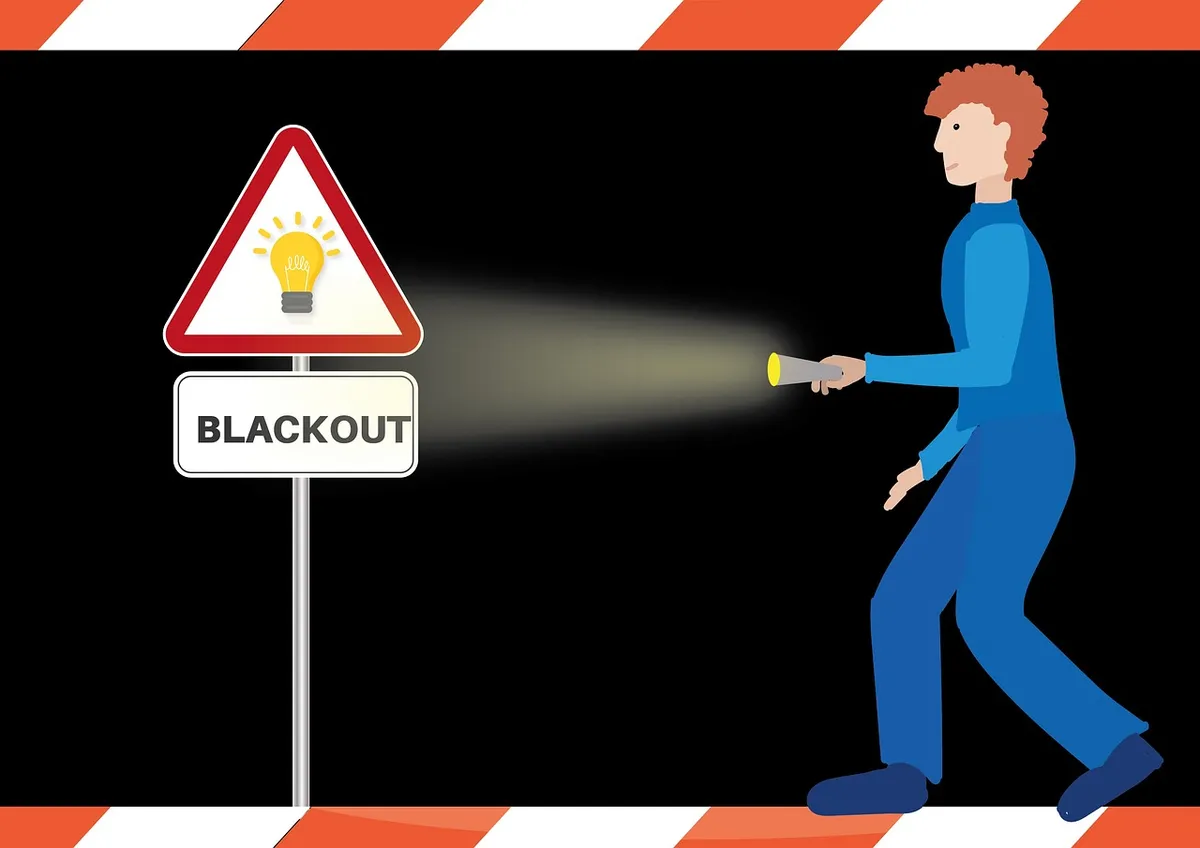
Key takeaways include identifying high-draw devices, understanding energy trends, and implementing daily habits for low power use.
How can I save on home electricity bill costs?
A hand reaches for a light switch in a dim living room, clicking it off to conserve energy. Finding ways to save on home electricity bill expenses starts with identifying which appliances consume the most energy in your household.
According to the Energy Information Administration (EIA), Americans are paying 22% more for electricity than they were just five years ago. This significant increase highlights the importance of managing household energy costs through better efficiency.
Addressing high-consumption devices can prevent your monthly expenses from spiraling out of control.
- Audit your current energy usage to identify major drains.
- Upgrade to energy-efficient appliances and lighting.
- Optimize your thermostat settings for seasonal changes.
What are the best daily habits for low power use?
In the quiet kitchen at dawn, I pull a plug from the wall to halt the silent flow of energy.
A person stands in a kitchen, unplugging a toaster to prevent phantom power draw. Implementing daily habits for low power use helps ensure that you are not paying for energy you aren't actively using.
Smart energy saving home strategies often involve simple adjustments to how we interact with our appliances. You can start by turning off electronics when they are not in use.
Small changes in how you manage your thermostat or water heater can lead to noticeable differences in your monthly statement.
In this sequence, the first step is the most fundamental.
How can I implement practical steps for energy saving?
A finger adjusts a programmable thermostat, setting it to a more efficient temperature for the night. Following practical steps for energy saving ensures that your efforts are consistent and effective across the entire household.
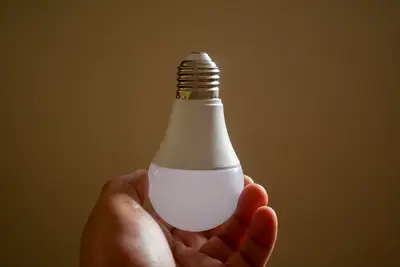
- Audit your high-wattage appliances to see which ones contribute most to your total consumption. 2. Replace old, inefficient bulbs with LED alternatives to reduce immediate lighting costs. 3. Seal leaks around windows and doors to prevent conditioned air from escaping.
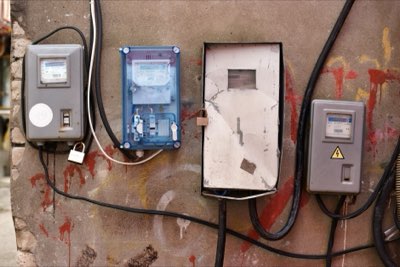
I once looked at my own meter and realized how much energy was being wasted by leaving standby modes active. These manual checks help verify that your efforts are actually impacting your utility usage.
What are the limitations of residential energy saving?
A person looks out a window at a stormy sky, wondering about the reliability of the power grid. While individual actions help, external factors like regional energy production and infrastructure significantly impact what you pay.
A limitation of these methods is that individual savings cannot offset massive shifts in global energy prices or regional supply shortages. If energy prices rise due to external economic factors, even the most efficient home may see higher costs.
| Strategy | Primary Focus |
|---|---|
| Appliance Audit | Identifying high-draw devices |
| Habit Adjustment | Daily usage reduction |
The same subject is also called Cut down utility bills.
Related
- Effective budget tracking tips: Why track spending well
- Budgeting Mistakes: How to Fix Common Budgeting Mistakes
Why is the cost of electricity rising?
The cost of electricity is rising because of shifts in energy prices and regional supply shortages. These external economic factors cause utility rates to fluctuate, making it harder to manage a home budget.
According to the Cypriot Energy Regulatory Authority, in 2011 the Cypriot Energy Regulatory Authority (CERA) announced a number of steps aimed at facilitating development of photovoltaics in Cyprus.
According to the Australian Energy Market Commission, Aussies can expect to save on average $77 on their electricity costs by 2024 as renewable energy helps to drive prices down.
If energy prices rise due to these external conditions, even an efficient home may face higher monthly expenses. This comparison shows that while individual habits help, they cannot fully offset massive shifts in global energy prices.
What should I watch for when auditing appliances?
When auditing high-wattage appliances, you should focus on identifying which devices contribute most to your total consumption. This procedure helps you address high-consumption devices to prevent monthly expenses from spiraling out of control.
- Compare the energy draw of different appliances to identify high-draw devices. 2. Check for standby modes that contribute to phantom power draw. 3. Monitor how much energy is wasted by leaving electronics active when not in use.
How does constant awareness affect the cost of keeping the lights on? Constant awareness allows homeowners to make small adjustments that accumulate into significant savings on the cost of keeping the lights on. This ongoing attention to energy use reinforces the importance of daily habits for low power use.
- Monitoring how much energy is wasted by leaving electronics active when not in use is a key part of this awareness. 3. Regularly checking for standby modes contributes to preventing phantom power draw.
This vigilance helps ensure that the efforts to reduce power usage tips are sustained over time.
When should I reassess my energy saving strategies? One should reassess energy saving strategies when utility rates fluctuate or when major appliance needs change. The condition of the home's insulation also warrants periodic review to maintain efficiency.
Reviewing the energy draw of different appliances should happen after any major household update. This procedure helps maintain the effectiveness of the implemented low power use habits.
The initial audit of current energy usage should be repeated periodically to track progress against the rising cost of keeping the lights on.

Comments 0