Effective budget tracking tips: Why track spending well
"A budget is not just a list of numbers, but a roadmap for future stability and goal achievement."
Effective budget tracking tips involve organizing historical data and setting clear expectations for upcoming cycles. This guide provides methods for maintaining accurate records, such as incorporating previous year's figures and managing diverse demographic needs.
You will learn how to structure your spending, manage expectations, and utilize historical data for better planning.
How to track spending well?

At dusk in the dim living room, I grip my pen tightly to write down an effective summary of my recent purchases.
Walking into a quiet office with a stack of receipts, one realizes that successful tracking begins with a clear baseline. A person sits at a wooden desk, pen in hand, ready to translate chaos into order.
According to The Troup City Council, the council adopted its 2026-2027 budget and tax rate during its Sept.
Effective budget tracking tips often start with the foundation of historical data. For instance, a Cleveland budget proposal addressed a long-standing issue by including last year's numbers to provide better context.
Using past financial data allows you to see trends and prepare for seasonal shifts in spending.
Effective budget tracking tips require looking back to move forward. Without a baseline, you are simply guessing at your financial health.
- Categorize every transaction to identify where your money goes.
- Review your bank statements weekly to catch errors or forgotten subscriptions.
- Compare your actual spending against your planned limits regularly.
How can I track my money smarter? Effective budget tracking tips
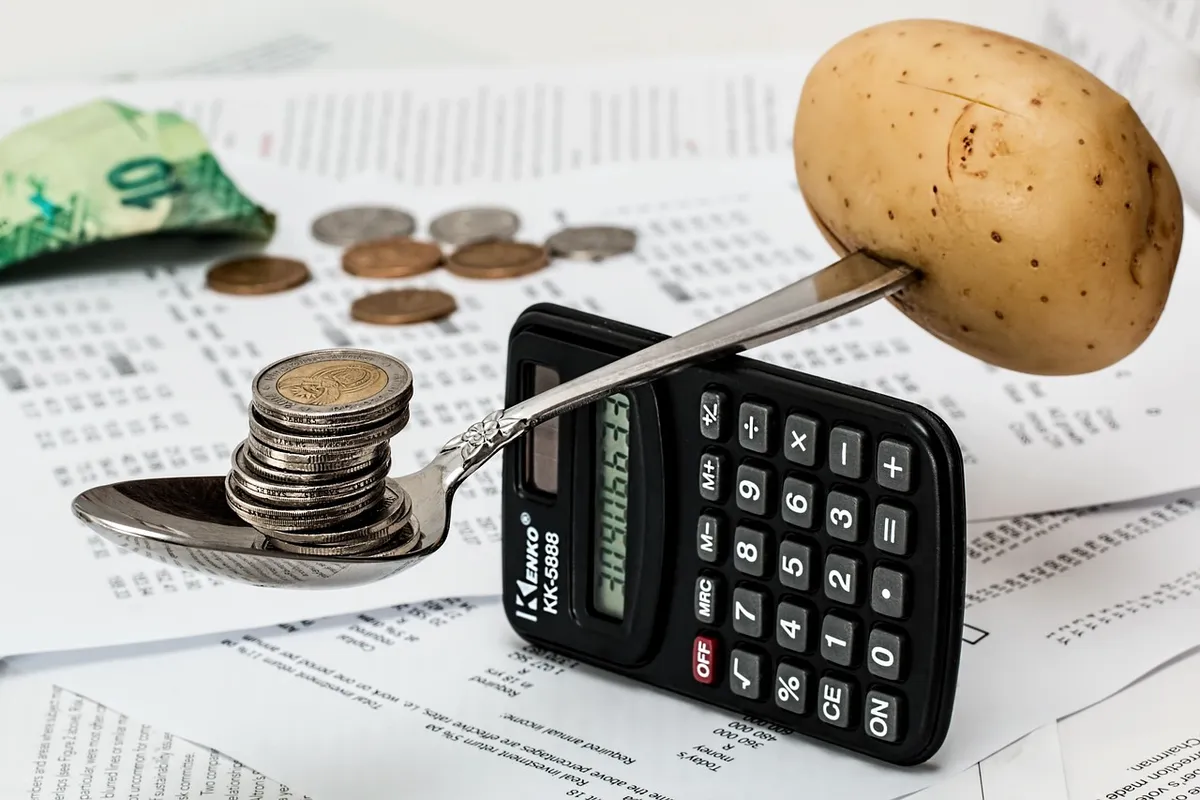
At midnight in my silent bedroom, I grip my pen to create an effective log of my recent spending. An empty ledger sits on a desk, waiting for the first entry of the month. A hand reaches out to write down the initial figures, marking the start of a new cycle.
Smart money logging methods should account for the specific needs of different groups, such as salaried employees or senior citizens. Ahead of the Union Budget 2026–27, expectations were high among middle-class households and senior citizens regarding fiscal changes.
Tailoring your logging to reflect your specific life stage ensures the data remains relevant.
Smart money logging methods help you stay grounded in reality. By categorizing expenses according to your specific demographic needs, you can better predict future outflows.
Use digital apps for real-time updates or manual spreadsheets for more granular control over every cent.
How can I keep a budget easily? A calendar is spread across a table, with several dates circled in red. A person marks a new date, noting the importance of timing in financial management.
An easy budget keeping guide involves setting a timeline for review and adjustment. The Troup City Council adopted its 2026-2027 budget and tax rate during its September session, showing how timely adoption creates a clear path for the year.
Setting specific dates for budget reviews prevents the process from becoming overwhelming.

An easy budget keeping guide focuses on consistency. Regularly scheduled reviews ensure that you catch errors and adjust to life changes before they become crises.
Start by listing your monthly income and subtracting your essential bills to see exactly how much discretionary cash remains.
Best ways to record expenses
A laptop screen glows in a dim room, displaying a complex spreadsheet. A finger taps the trackpad, navigating through various tabs and columns of data.
The best ways to record expenses include comparing projected figures against actual outcomes. In certain legislative environments, a budget bill might reject proposed cuts to maintain specific agency funding, such as NASA's 2026 budget.
Similarly, your personal records should reflect the reality of your spending rather than just sticking to an idealistic plan.
The best ways to record expenses require honesty about where the money actually goes. Comparing your original intent with your actual spending reveals the truth of your financial habits.
| Method Type | Primary Focus | Benefit |
|---|---|---|
| Historical Comparison | Using last year's numbers | Provides context and baseline |
| Demographic Tailoring | Adjusting for life stage | Maintains relevance for specific needs |
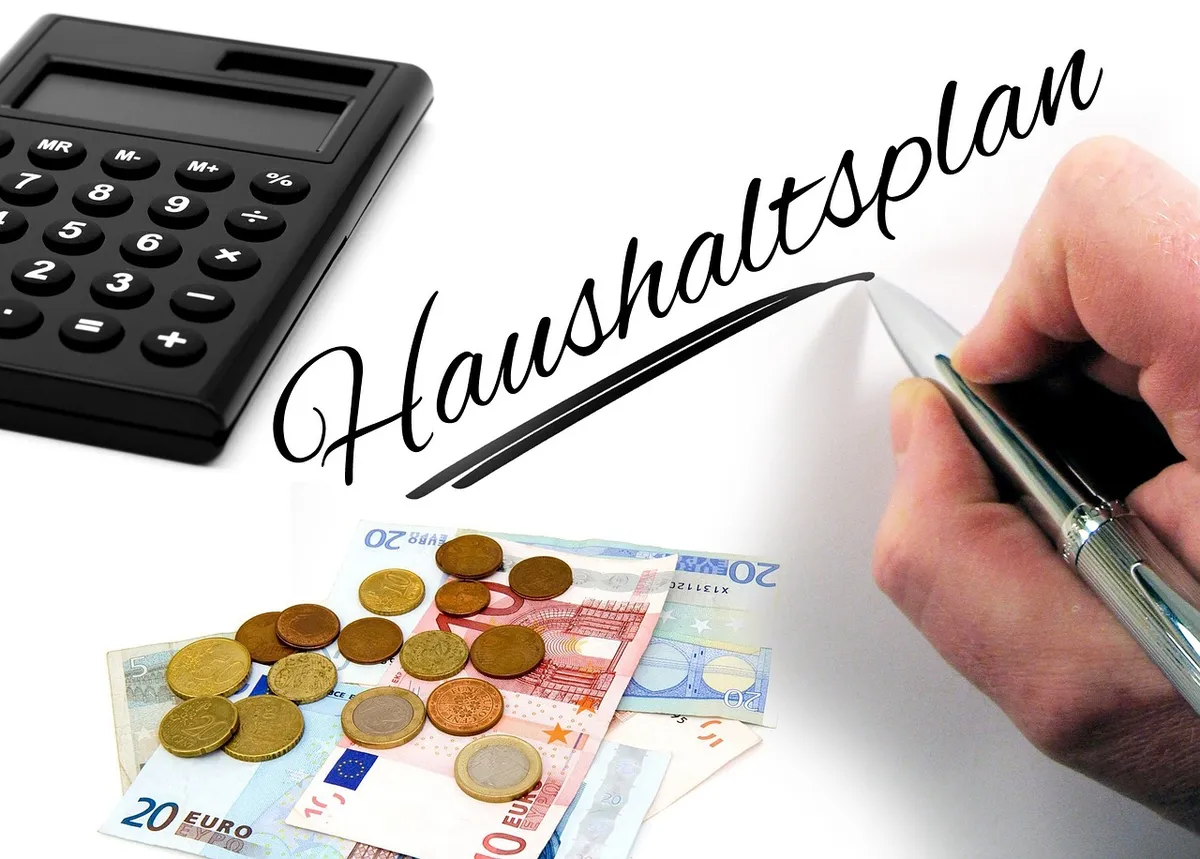
I found that looking at previous years' totals was the most helpful way to prepare for unexpected costs.
A limitation of these methods is that they rely on the accuracy of the data provided; if the initial input is flawed, the entire budget becomes unreliable.
Keep all receipts in one place and log them daily to prevent the buildup of unrecorded transactions.
This part also covers Real life budget tracking examples.
This part also covers Flexible spending management tips.
This part also covers Beginner guide to finance tracking.
Real life budget tracking examples
Related
- Budgeting Mistakes: How to Fix Common Budgeting Mistakes
- Energy saving tips: Save electricity bills 5 steps guide
What makes a budget a roadmap? A budget functions as a roadmap because it outlines the intended direction for financial stability and goal achievement. It transforms a simple list of numbers into a strategic guide for the future. This roadmap helps individuals or entities navigate toward predetermined financial objectives.
A budget provides direction by turning abstract financial goals into actionable spending limits.
When should budget reviews happen? Budget reviews should occur at specific, regularly scheduled times to maintain financial control. Setting defined dates for these reviews prevents the entire process from becoming an overwhelming task. This consistency ensures that adjustments are made promptly when life circumstances change.
The comparison between projected figures and actual outcomes demonstrates the effectiveness of the budget roadmap. If the actual spending deviates significantly from the projection, the roadmap requires immediate revision.
Maintaining this roadmap requires incorporating past financial data to provide necessary context for current decisions. This allows for a continuous refinement of the budget's trajectory.
Conduct a brief check-in every week to stay on track and a comprehensive review once a month to adjust for upcoming changes.





Comments 0