How do we measure an illegal economy size?
Analyzing the scale of an illegal economy is a complex task that requires looking past official growth figures to understand hidden transactions. This analysis explores how underground markets function and the challenges of measuring their true economic impact.
Key takeaways: * Underground economies often exist alongside official growth, complicating national economic assessments. * Estimating illicit trade requires understanding supply, demand, and regulatory gaps.
* Official data provides a baseline, but hidden markets remain difficult to quantify precisely.
How do we measure an illegal economy size?
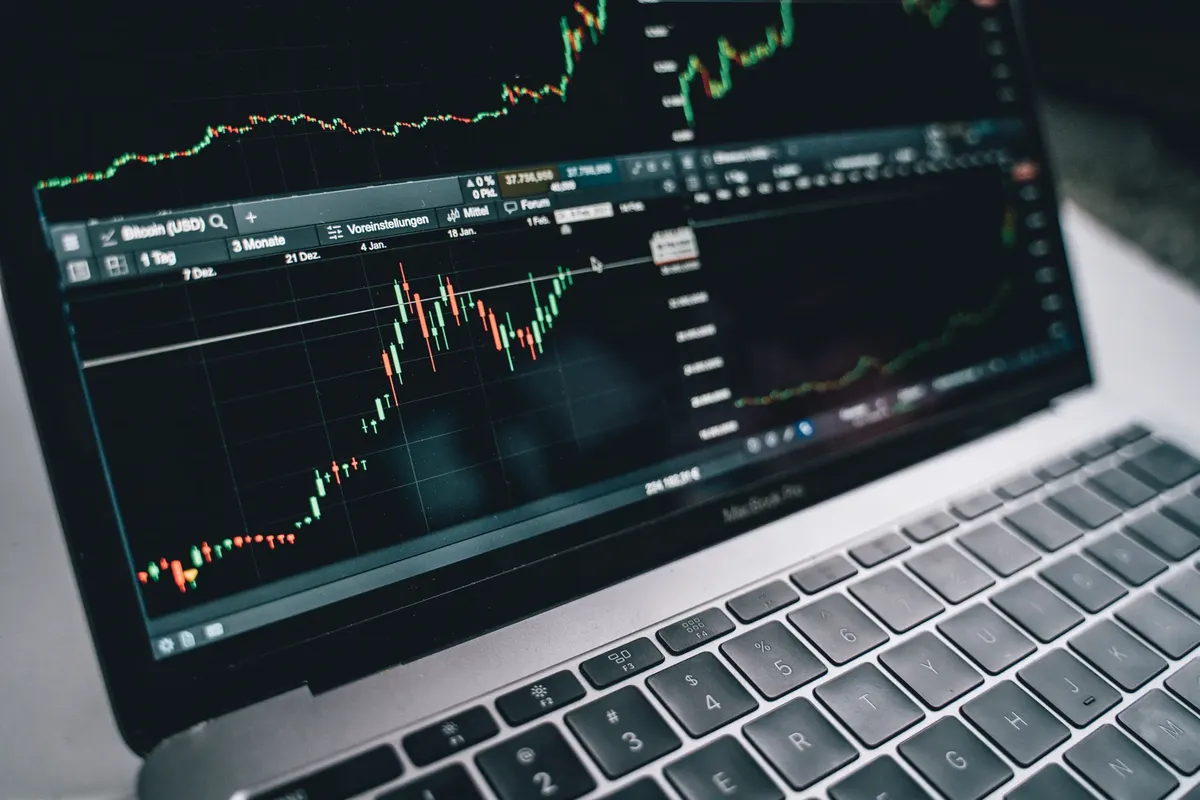
At midnight in the dim office, I rub my tired eyes while trying to measure the gap between the ink on the ledger and the reality of the streets.
A researcher sits at a desk, staring at a laptop screen filled with fluctuating economic indicators and dark market reports. They trace the lines between official growth and the shadow economy to find where the data diverges.
Measuring the size of an illegal economy is inherently difficult because these transactions are intentionally hidden from authorities. Unlike legal markets, where tax filings and trade records provide a paper trail, the underground economy leaves little to no footprint.
Economists often use proxy indicators, such as discrepancies in tax revenue or sudden shifts in consumption patterns, to estimate the volume of illicit trade.
According to the National Center for Policy Analysis, research into the underground economy has historically explored its global size and impact. Such studies attempt to bridge the gap between reported GDP and the actual flow of capital.
While official figures like the 0.6% real economic growth rate in 2026Q2 provide a snapshot of the legal sector, they do not account for the unrecorded movement of wealth.
- Identify discrepancies between reported tax revenue and total consumption.
- Track unexplained fluctuations in currency circulation.
- Monitor inconsistencies between official GDP and physical trade volume.
Where exactly does the black market begin and end? Illegal economy size Korea Walking through the damp alleyways at dusk, I pause to measure the invisible line where the neon lights end and the shadows begin.
An investigator walks through a crowded marketplace, noting how certain goods change hands without any formal receipt or digital trace. They observe the subtle ways unregulated trade blends into the daily routine of the city.
The black market is defined by the trade of goods and services that are illegal or strictly regulated by the state. This can include everything from prohibited substances to illicitly obtained goods.
The boundaries of these markets shift based on enforcement levels and the changing nature of supply and demand.
For example, the illegal organ trade occurs when organs are removed from the body for the purpose of commercial transactions, as noted by the World Health Organization (WHO). This represents a severe and tragic intersection of the black market and human rights.
Such illicit activities create a shadow economy that operates entirely outside the purview of national oversight.
In this sequence, the second point is the most extensive.
According to FRED/ECOS/KOSIS, the 2026 record includes 0.6%.
How does legal growth stack up against the underground? A financial analyst compares a printed report of annual growth against a handwritten ledger of estimated illicit transactions. The contrast between the neat columns of the official report and the messy reality of the shadow economy is stark.
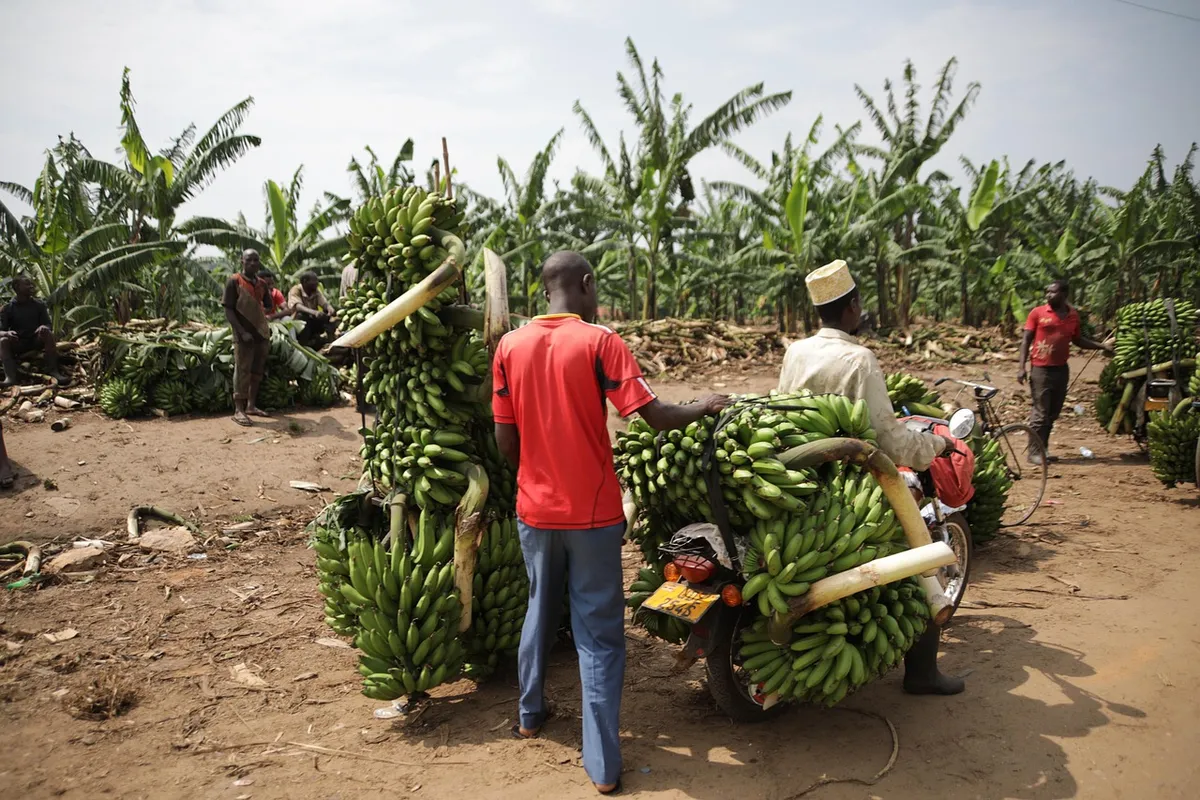
According to official FRED/ECOS/KOSIS data, the real economic growth rate (seasonally adjusted quarter-on-quarter) was 0.6% as of 2026Q2.
Comparing legal and illegal economies is challenging because they operate on different sets of rules and visibility levels. While the legal economy is subject to inflation, interest rates, and government policy, the underground economy is driven by risk and evasion.
| Metric Type | Example Indicator | Primary Characteristic |
|---|---|---|
| Official Growth | Real GDP Growth | Highly visible and regulated |
| Underground Activity | Black Market Trade | Hidden and unregulated |
I once looked at a spreadsheet where the official growth rate was clearly defined, yet the underlying social issues suggested a much larger, unrecorded economic reality. This comparison shows that while official growth provides a baseline, it is not a complete picture of total economic activity.
How do specific goods drive illicit trade?
A merchant carefully hides a small box of contraband beneath a stack of legal documents in a dimly lit warehouse. They move with practiced ease, knowing that the value of the hidden goods lies in their illegality.
Specific goods often drive the growth of the black market through high demand and high profit margins. When a product is heavily taxed or banned, a lucrative underground market naturally forms to meet the consumer demand.
In some regions, the trade of specific commodities can create massive economic shifts. For instance, it has been reported that 27% of cigarettes and 68% of roll your own tobacco is purchased on the black market.
This demonstrates how taxation and regulation directly influence the scale of the illegal economy.
What are the steps to analyzing hidden economic data?
A statistician uses specialized software to run simulations, attempting to model the invisible flows of a hidden market. They input various variables, hoping to find a pattern in the noise of the data.
Analyzing hidden economic data requires a structured approach to account for the lack of direct evidence.
- Identify proxy variables, such as electricity usage or cash-to-digital payment ratios, that might indicate unrecorded activity. 2. Analyze discrepancies between official import/export data and actual consumption levels. 3. Cross-reference social indicators with economic shifts to identify potential areas of underground growth.
After completing these steps, a final check is necessary to ensure that the assumptions used in the model do not overstate the findings. This ensures the analysis remains grounded in logical probability rather than mere speculation.
What are the limitations of these economic models?
A scholar reviews a peer-reviewed paper, noting the specific conditions under which the study's conclusions remain valid. They understand that a model is only as good as its underlying assumptions.
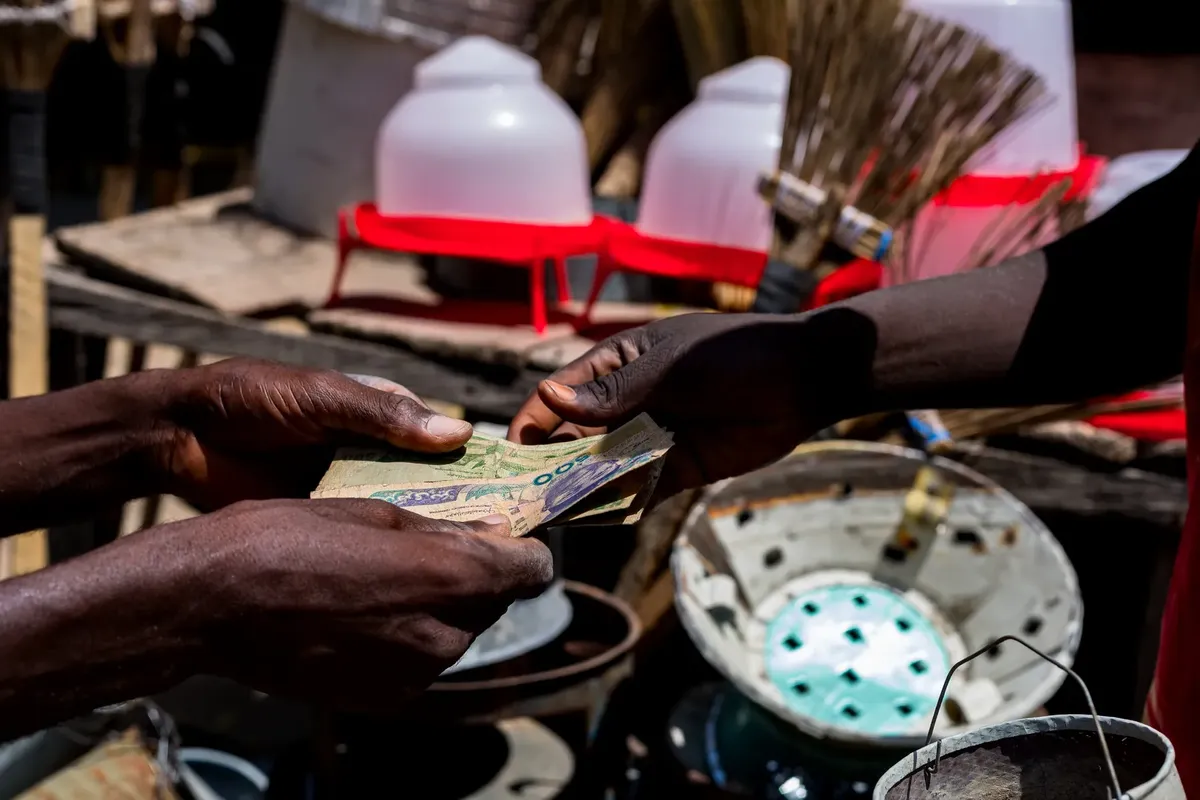
According to the European Securities Market Authority, the European derivatives market was estimated to be at a size of €660 trillion with 74 million outstanding contracts for the fourth quarter 2017.
The primary limitation of analyzing an illegal economy is the lack of verified, real-time data. Because the subject matter is clandestine, any attempt to quantify it involves a degree of estimation that can be influenced by the methodology used.
A specific limitation exists when analyzing the underground economy through the lens of institutional economics, as the approach is often limited by the specific socioeconomic conditions of the region being studied.
Without direct access to transaction records, researchers can only provide educated estimates rather than absolute figures.
Related





Comments 0