Financial Guide: 4 Steps to Move from Spending to Saving
"A budget isn't just a record of what you spent; it is the blueprint for controlling where your money goes."
If you are a beginner looking to build wealth, you must understand that the goal of tracking expenses is not merely to document the past, but to dictate your future. This guide provides a four-step framework to move from reactive spending to proactive saving.
* Goal: Identify spending patterns and eliminate unnecessary leaks. * Tools: A budget tracker (app or notebook), a categorized list of expenses, and a clear budget-setting framework. * Expected Outcome: A clear monthly spending plan and improved savings rates.

Why tracking every cent feels like a chore
I slumped at the kitchen table late at night, rubbing my tired eyes while staring at a messy pile of paper receipts.
I sat at my kitchen table last Tuesday at 8:00 PM, staring at a mountain of crumpled receipts and a digital banking app that seemed to mock my lack of discipline. It felt impossible to get ahead when I didn't know where my paycheck actually went.
The reason most people fail at budgeting is that they treat it as a history lesson rather than a strategy. If you only record what you have already spent, you are simply documenting your own financial decline.
To succeed, you must shift your focus from historical tracking to forward-looking allocation.
A successful budget requires you to categorize spending into two distinct buckets: fixed costs and variable costs. By understanding these categories, you can see exactly which parts of your lifestyle are eating your savings.

What is my current financial reality? I remember the exact moment I realized I was living beyond my means; I was checking my balance at a grocery store checkout in downtown Chicago, realizing I had to put two items back because I hadn't accounted for a recent car repair. That realization was the catalyst for my entire budgeting system.
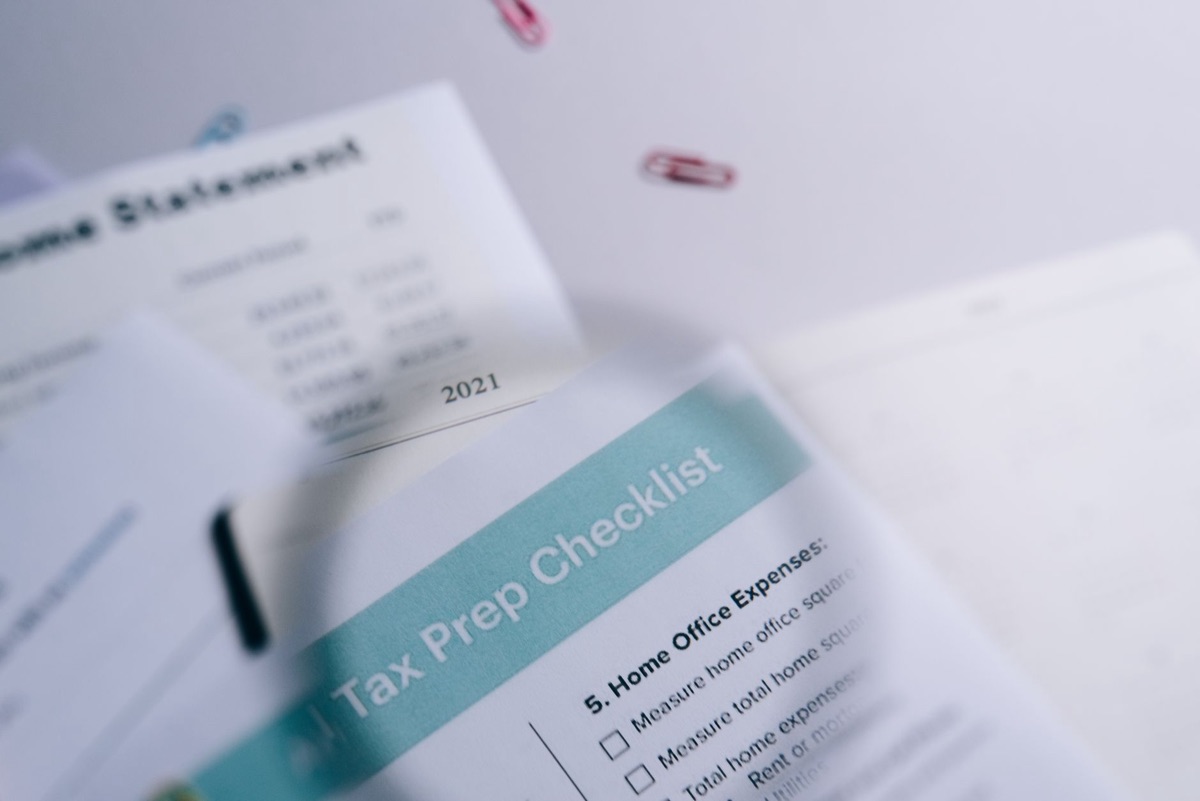
The first step is to conduct a deep audit of your last three months of spending. You cannot plan for the future if you do not have an honest understanding of your current habits.
- Gather all bank statements and credit card records from the last 90 days. 2. Categorize every single transaction into groups like housing, utilities, groceries, transportation, and entertainment. 3. Identify "phantom expenses"—small, recurring subscriptions or daily habits that add up to significant monthly leaks.
| Category Type | Examples | Primary Goal |
|---|---|---|
| Fixed Expenses | Rent/Mortgage, Insurance, Car Payments | Predictability and stability |
| Variable Expenses | Groceries, Dining Out, Gas, Shopping | Control and adjustment |
What are my spending boundaries? The sun was just beginning to set behind the skyline as I sat down to write my first real budget, realizing that without limits, my money would always drift toward the easiest, most impulsive choices. I had to decide how much was "allowed" to leave my account each month.
Setting boundaries means creating a budget that is realistic enough to follow but strict enough to facilitate savings. You must assign every dollar a job before the month begins.
A common mistake is to set an impossible budget that cuts out all joy, leading to "budget burnout" within weeks. Instead, build in a "buffer" or a "fun money" category.
This allows you to live a life that doesn't feel like a constant state of deprivation, which is the key to long-term sustainability.

Step 3: Implement a tracking system that sticks
I used to carry a small leather notebook in my pocket, scribbling down every coffee and bus fare, but I eventually realized that manual entry was too easy to abandon when life got busy. Now, I use a hybrid approach that keeps me accountable without being a full-time job.
To make budgeting sustainable, you need a system that fits your lifestyle. Whether you prefer a high-tech app that syncs with your bank or a classic paper ledger, the method must be easy to access.
* Digital Users: Use apps that allow for real-time categorization and offer visual charts to show spending trends. * Manual Users: Use a dedicated notebook or a spreadsheet where you input data at the same time every day to maintain the habit. * The "Weekly Check-in": Regardless of the tool, set a recurring appointment with yourself once a week to review your progress against your goals.
This method does not apply to individuals with highly irregular or unpredictable income streams, such as seasonal workers or freelancers, who may require a "sinking fund" or a more complex cash-flow management strategy.
Step 4: Review and recalibrate your blueprint
Walking through the park on a Sunday morning, I realized that my budget was a living document, not a set of stone tablets. I had to adjust my spending when my utility bills spiked in the winter or when I had an unexpected social event.
The final step is the most important: the monthly review. At the end of every month, compare what you actually spent against what you planned to spend.
If you overspent in one category, look for an offset in another. If you consistently underspend in a category, you might be able to reallocate those funds toward debt repayment or investment goals.
This cycle of constant refinement is how you turn a simple list of numbers into a powerful engine for wealth building.
However, this does not apply in every situation.
Related





Comments 0