Fridge cleanout DIY tips: How to manage cycle times
"The right tools and the right settings can transform a routine chore into an efficient process that preserves your resources."
Effective appliance maintenance and smart usage involve understanding the technical nuances of modern machines to save energy and water. This guide covers how to manage cycle times, optimize detergent use, and handle temperature settings for better results.
Key takeaways include understanding high-efficiency cycles, managing vibration with internal weights, and utilizing specific wash settings to prevent enzyme deactivation.
How can I manage efficiency with fridge cleanout DIY tips?
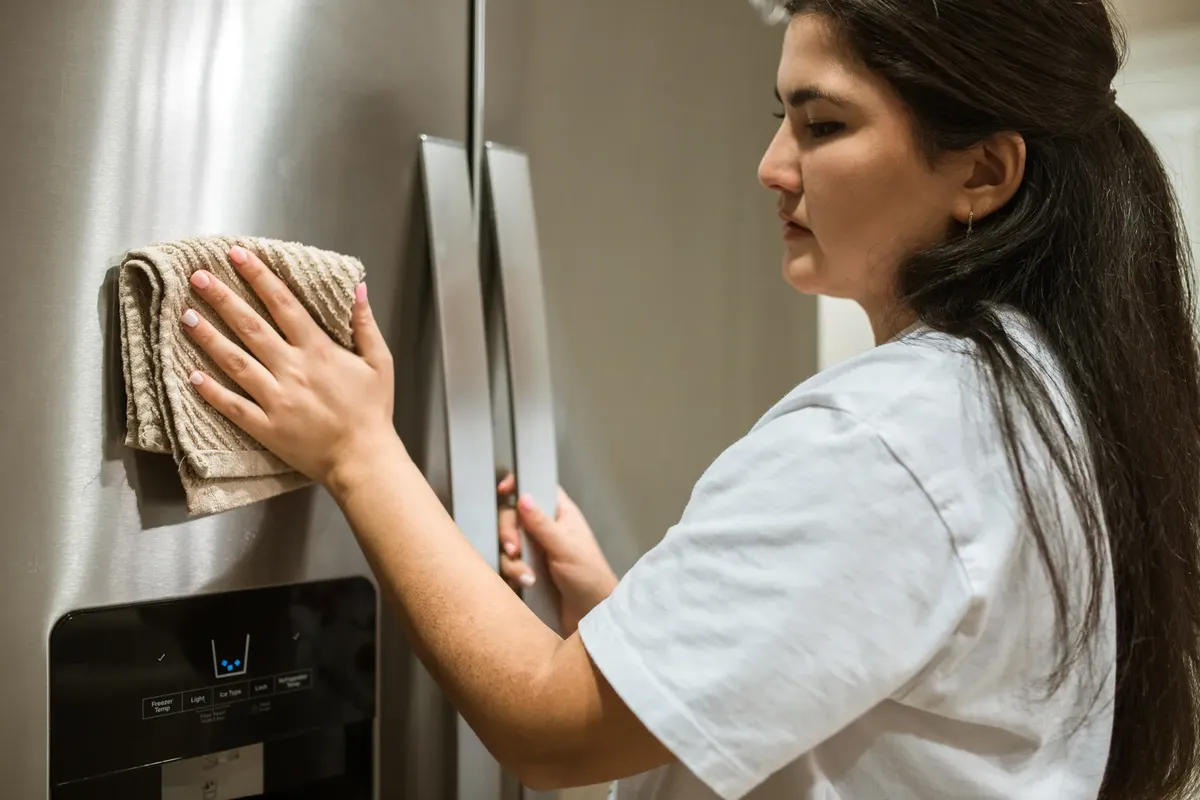
At noon in the bright kitchen, I wipe the cold condensation from the glass shelf inside the fridge.
A worker stands in a quiet laundry room, adjusting the dial on a sleek front-loading machine. Efficiency starts with understanding the mechanical differences between appliance types to avoid unnecessary waste.
High-efficiency washers are designed to use significantly fewer resources than older models. These units use 20% to 60% of the detergent, water, and energy required by standard top-loader washers.
While these machines are built for resourcefulness, they often require different management strategies to ensure clothes are properly cleaned.
Using these machines effectively means understanding that they often take longer to complete a task. A typical load might take anywhere from 20 to 110 minutes to wash. This extended time allows the machine to use sensors to adapt the cycle to the specific needs of the load.
- Sort items by expiration date.
- Wipe down all shelves and drawers.
- Reorganize products to allow for better airflow.
What are the best repair food waste hacks for machine longevity?
In the dim pantry, I pull a heavy carton from the fridge and feel the chill against my palms.
A technician inspects a heavy metal casing, noting the weight needed to keep the machine steady. Maintaining the physical integrity of an appliance is a vital part of long-term use.
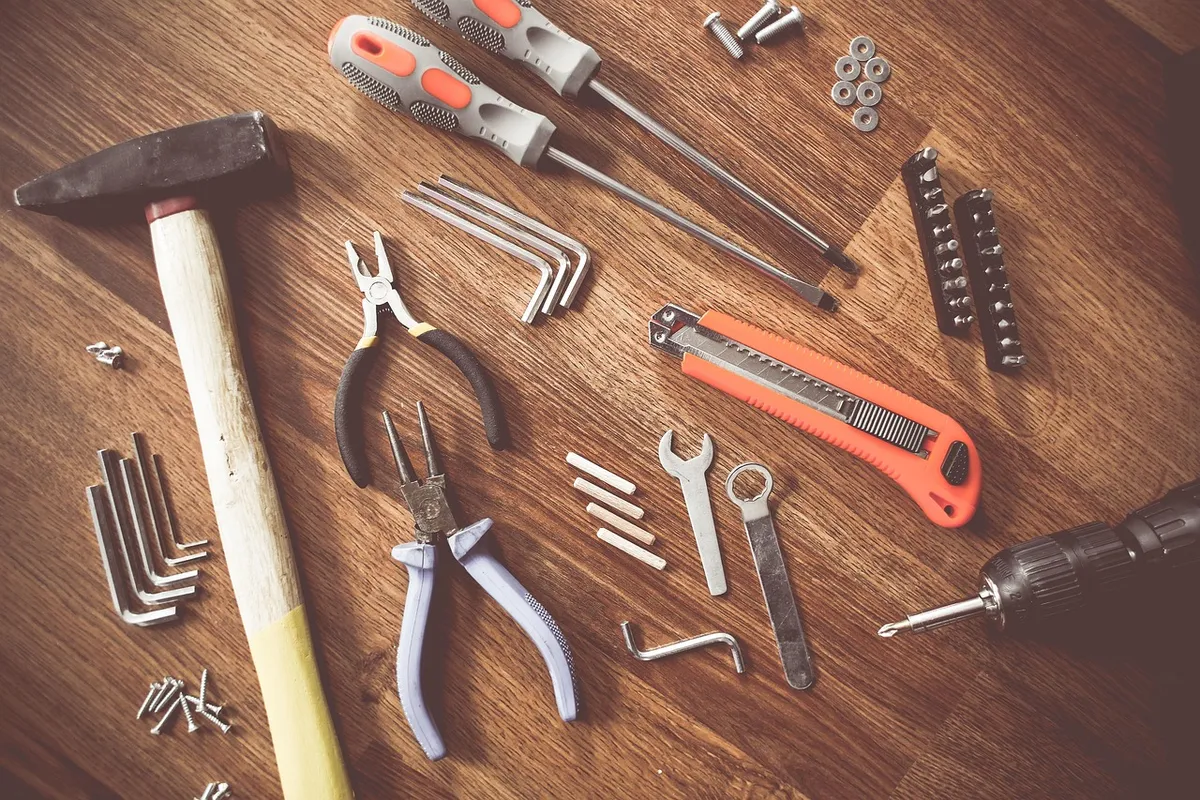
Many residential front-loading washing machines typically have a 25 kg (55 lb) concrete block to dampen vibration. This internal weight is essential for stability during high-speed spins.
When managing these machines, ensuring the leveling is correct prevents the internal weight from causing structural damage over time.
Smart food use hacks often involve managing the contents of the machine to prevent overwork. Overloading a machine can lead to uneven distribution of the internal weight, which puts stress on the motor. Keeping loads within the recommended capacity is a simple way to prevent mechanical failure.
In this sequence, the second step is the most time-consuming.
Are there DIY fridge saving tips for water conservation?
A hand turns a valve, controlling the flow of water into a clear drum. Water conservation is a primary driver behind modern appliance design.
Some specialized machines are built for extreme water conservation. For instance, one type of washing machine uses only 50 L (11.0 imp gal; 13.2 US gal) of water in the recycle mode. Utilizing these modes can significantly lower utility bills while maintaining cleanliness.
Budget cooking with leftovers often requires clean linens, making efficient washing essential. Using these water-saving modes requires careful attention to detergent levels. Because they use less water, using too much detergent can lead to buildup in the machine.
How do I handle smart food use repair for temperature settings?
A person carefully checks the water temperature, ensuring it does not exceed a certain level. Temperature management is critical for both fabric care and chemical effectiveness.
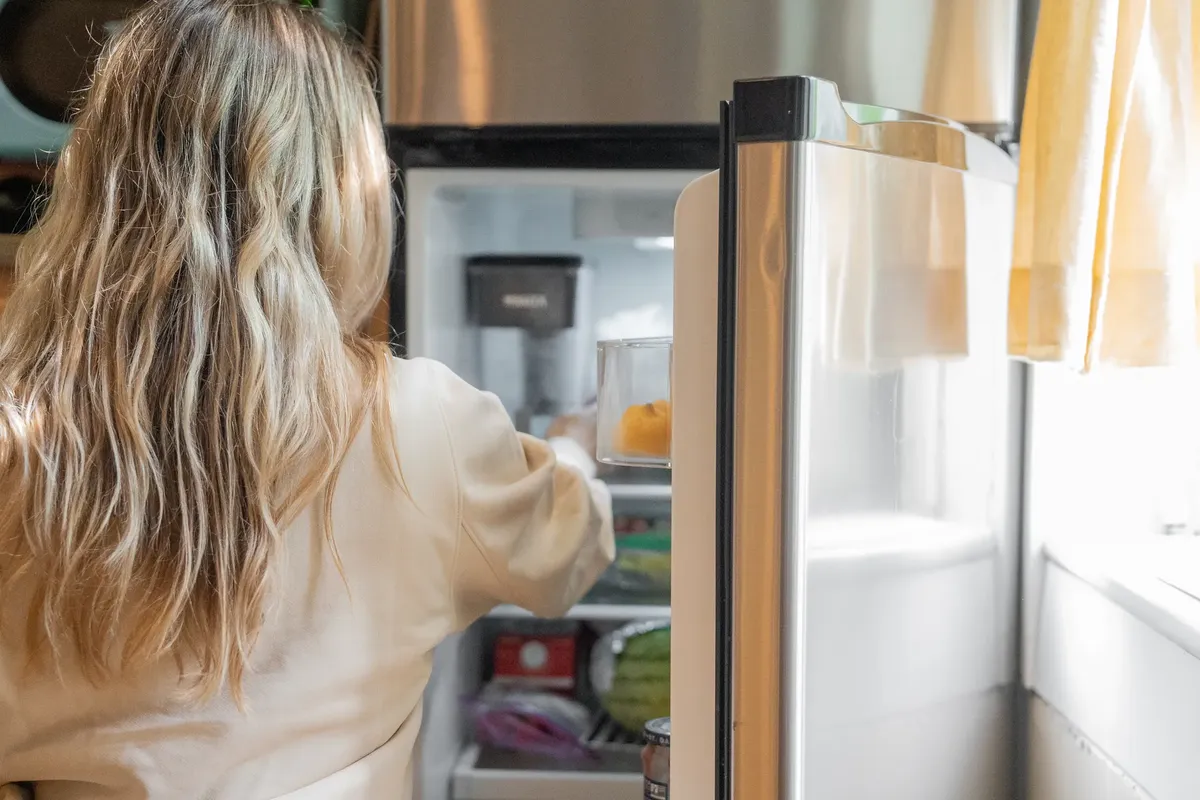
Temperature control can affect the chemistry of your cleaning agents. Temperatures exceeding 40 °C (104 °F) have the undesirable effect of deactivating the enzymes when using biological detergent. Keeping the water temperature in check ensures the detergent performs its intended function.
Some modern machines feature specific settings like "cold" and "tap cold." In a "tap cold" setting, the machine uses water directly from the incoming cold water line. In a "cold" setting, the machine involves heating the water to between 60 °F (16 °C) and 80 °F (27 °C).
What are some cheap meal prep fixes for cycle management?
A user looks at the digital timer, noting the remaining minutes on the display. Managing time effectively allows for better household scheduling.
Cycle times can vary significantly depending on the machine type and settings. For a 3.5 kg (7.7 lb) load, the average Australian washing machine cycle has lengthened over the years, with front-loaders moving from 99 to 144 minutes between 2011 and 2021.
Understanding these durations helps in planning daily chores.
Budgeting time is part of effective household management. One technique used by manufacturers, such as Samsung, claims to reduce cycle times by half and energy consumption by 20%.
| Feature | Impact on Resource Use |
|---|---|
| High-efficiency washers | 20% to 60% of standard detergent, water, and energy |
| Samsung technique | Reduces cycle times by half and energy by 20% |
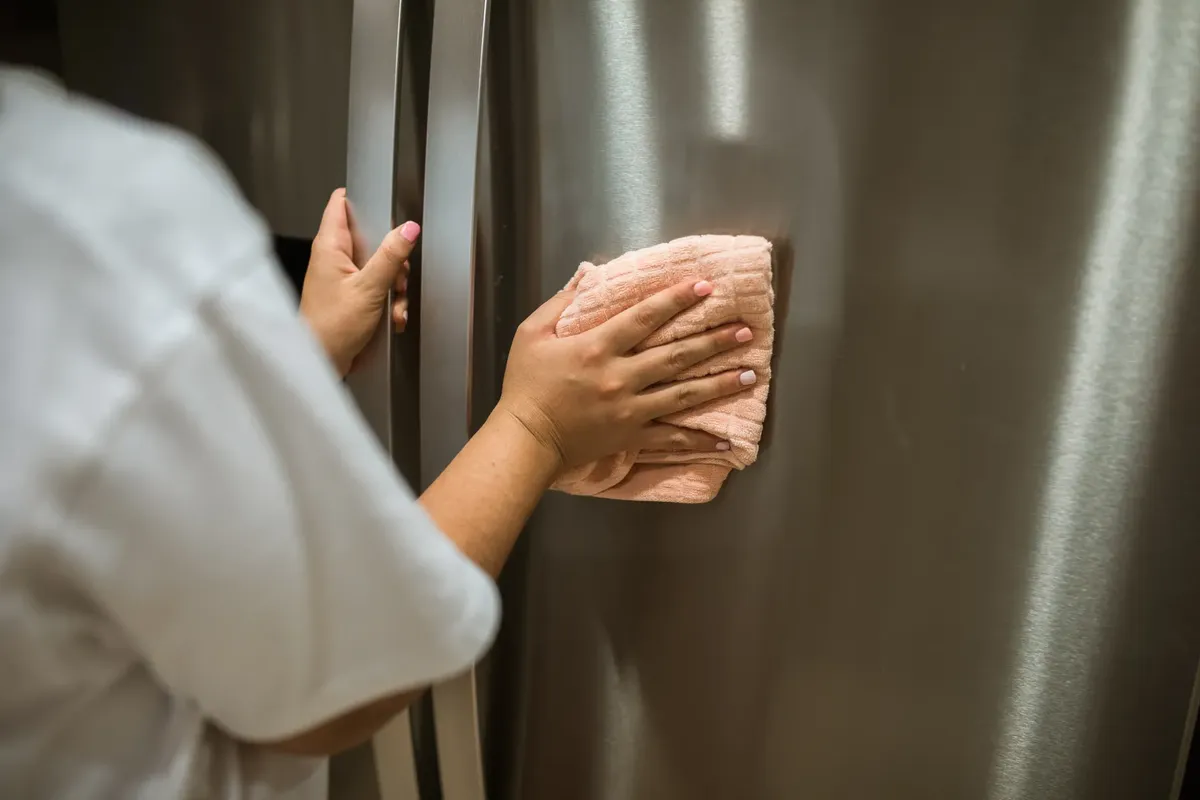
I noticed that adjusting the cycle settings can significantly change how much time I spend waiting for laundry to finish.
How to optimize your wash cycle
To get the most out of your machine, follow these steps to manage the process:
- Select the appropriate temperature to protect biological detergents from enzyme deactivation. 2. Adjust the detergent amount to match the lower water volume used by high-efficiency machines. 3. Monitor the cycle time to ensure the load is properly handled by the machine's sensors.
Always check that the load size matches the machine's capacity to maintain the effectiveness of the internal vibration-dampening weights.
Related
What precautions should I take when using specialized cycle settings? Utilizing specialized cycle settings demands careful adherence to usage guidelines to ensure the longevity of the appliance and the quality of the clean. For instance, when employing a water-saving mode, the detergent quantity must be adjusted downward because the reduced water volume limits the detergent's dispersal capability. Understanding the right tools for each specific cycle prevents residue buildup within the machine's components.
When operating a machine designed for extreme water conservation, users must remain mindful of detergent levels, as an excessive amount can accumulate inside the appliance. This caution applies even when the machine is utilizing its most efficient water usage protocols.
The correct application of the right tools, such as the proper detergent dosage, is crucial here.
How does mechanical stability relate to machine operation? Maintaining the physical stability of the appliance is directly linked to how well the machine performs during its operational cycles. The internal weight, such as the concrete block, functions to absorb vibrations generated during high-speed spinning. If the machine's leveling is incorrect, this internal weight may induce structural stress over time, compromising the appliance's integrity.
Overloading the washing machine introduces an uneven distribution of this internal weight, which consequently places undue strain upon the motor assembly. Adhering to the load capacity recommendations serves as a simple preventative measure against mechanical failure.
The right tools for load management are simply following the capacity guidelines provided with the machine.
Proper cycle management involves selecting the appropriate temperature to safeguard biological detergents from enzyme deactivation, a condition that occurs above 40 °C (104 °F). This temperature consideration is part of using the right tools for fabric care.
Wikipedia: SIA Engineering Company Based on the retained excerpt mentioning Trent Centre of Excellence: Formed in 2001, SAESL is a Trent Centre of Excellence, with its core business being the maintenance, repair and overhaul (MRO) support operation of the full range of Trent engines as well as RB211 engines.




Comments 0