Debt snowball and emergency fund: Tips for 100% stability
"The first step toward financial freedom is not a windfall, but a disciplined structure to manage what you already possess."
Building an emergency fund and managing debt requires a clear hierarchy of financial actions to prevent total economic collapse.
This guide outlines how to stabilize your immediate liquidity before tackling long-term liabilities, provides a historical context of crisis management, and offers a structure for repayment.
Key takeaways: * Prioritize a starter emergency fund to prevent new debt. * Use a structured repayment method to build momentum. * Understand how large-scale fiscal shifts impact individual stability.
How to build an emergency fund and debt payoff plan?

At midnight, a trembling hand slides a stack of bills into a drawer to build a shield against future debt.
A hand reaches for a small savings account to set aside a few hundred dollars before any extra payments are made to creditors. Establishing a small buffer prevents the cycle of returning to high-interest debt when unexpected costs arise.
A primary goal of any financial recovery is to create a safety net. This prevents the need for new loans when life presents sudden expenses. Without this buffer, any attempt at debt repayment can be derailed by a single car repair or medical bill.
In historical contexts, managing liquidity was a matter of national survival. During the 1997 Asian financial crisis, the International Monetary Fund (IMF) initiated a $40 billion program to stabilize the currencies of South Korea, Thailand, and Indonesia.
These economies were particularly hard-hit, illustrating how sudden liquidity shortages can destabilize entire systems.
Effective recovery involves moving from survival to stability. The first step is always the emergency fund, which acts as a shield against further debt. Once the shield is in place, the focus shifts to the debt itself.
- Determine your essential monthly expenses to set a baseline.
- Allocate a portion of your income to a high-yield savings account.
- Direct any surplus funds toward your highest-interest debt.
What are the best financial recovery steps? Debt snowball and emergency fund
In the quiet office, a heavy sigh escapes as a pen circles a mounting debt on the desk.
A pen circles a specific debt amount on a printed list, organizing obligations from smallest to largest. This organized approach allows for a clear path forward without feeling overwhelmed by the total sum. As reported by ECOS, the average propensity to consume was 68.1% in 2024Q4.
The first phase of recovery is securing liquidity. This involves setting aside a specific amount of cash to cover immediate needs. Once this fund is established, you can begin addressing outstanding liabilities.
One common method involves focusing on the smallest balances first to gain psychological momentum. This method ensures that quick wins keep the individual motivated. Success in one area provides the confidence needed to tackle larger, more complex financial hurdles.
Historical data shows the importance of structured intervention. The IMF provided a US$58.4 billion bailout package to address regional instability. Such large-scale measures were designed to restore the fiscal health necessary for long-term growth.
In this sequence, the first step is the most critical.
How can you pay off debt fast?

A person carefully calculates monthly surplus funds, directing every extra dollar toward a single target. This deliberate focus ensures that the largest amount of capital is applied to reducing principal balances.
To accelerate the process, you must identify every available dollar in your monthly budget. This surplus is then applied to the debt you have chosen to target first. Once that debt is gone, the entire amount previously paid to that creditor is rolled into the next one.
This cycle of increasing payments is a core component of a debt snowball and debt payoff plan. By focusing on the smallest debt first, you see immediate results. These results validate the effort and provide the momentum to continue.
In some cases, the ability to repay debt depends on changing revenue streams. For example, increasing tax revenues allowed a country to balance its budget and repay its debts to the IMF in 2003, which was four years ahead of schedule.
This shows that consistent, disciplined repayment leads to eventual freedom.
How do you build savings and debt balance?
A ledger is opened to compare current savings against total liabilities, ensuring that the growth of one does not come at the expense of the other. Balancing these two needs is the central challenge of personal finance.
The relationship between savings and debt is often a tug-of-war. If you put everything toward debt, you have no savings. If you put everything into savings, your debt grows due to interest. The goal is to find a sustainable rhythm that addresses both.
The strategy is to build a small emergency fund first. After that, you focus entirely on debt. Once the debt is gone, you redirect those same monthly payments into a robust savings and debt-free lifestyle.
During periods of extreme volatility, the stakes are much higher. During the worst of the 1997 crisis, foreign debt-to-GDP ratios in four large ASEAN economies rose from 100% to 167% and then shot up beyond 180%. Such massive shifts highlight the danger of unmanaged debt levels.
What is the path to financial freedom?
An individual sits quietly at a desk, looking at a finished spreadsheet with a sense of relief. The journey from debt to freedom is a long-term process of habit formation rather than a single event.
The path to financial freedom is built on the foundation of the emergency fund and the debt snowball and emergency fund strategy. It begins with the discipline to live below your means. By consistently applying your surplus to your goals, you eventually reach a point where debt no longer exists.
This process requires constant monitoring of your progress. You must track every payment and every dollar saved. It is a marathon of small, intentional decisions that lead to a significant change in your economic reality.
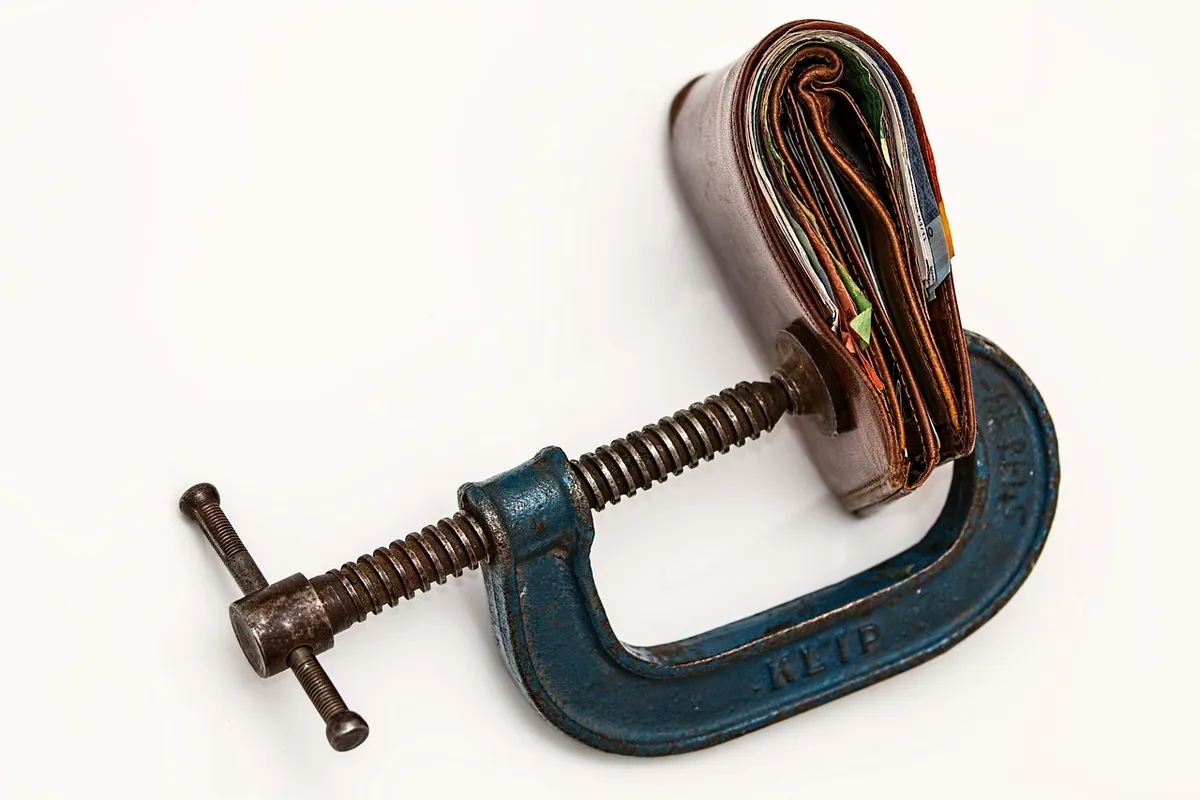
The ultimate goal is to reach a state of stability where you are no longer vulnerable to the fluctuations of the economy. This is achieved through the combination of a solid emergency fund and the complete elimination of high-interest liabilities.
| Goal Type | Primary Focus | Result of Success |
|---|---|---|
| Emergency Fund | Liquidity and Safety | Protection from new debt |
| Debt Repayment | Reducing Liabilities | Increased monthly cash flow |
I once watched a friend use this exact method to clear several small loans in just twelve months.
A limitation of this strategy is that it assumes a stable income environment, as sudden job loss can disrupt the planned repayment schedule.
Wikipedia: 1997 Asian financial crisis (full) Based on the retained excerpt mentioning IMF: The IMF came forward with a rescue package of $23 billion, but the rupiah was sinking further amid fears over corporate debts, massive selling of rupiah, and strong demand for dollars.
Related








Comments 0