How can I reduce food waste to save money?
"The cost of feeding a household often feels like a runaway train, yet much of that spending is lost to inefficiency and systemic leaks."
To cut grocery costs by 30%, you must focus on reducing household waste and understanding where your money actually goes. This guide explores how to manage shopping trips, mitigate waste at home, and navigate retail structures to optimize your food budget.
Key takeaways: * Household food waste accounts for 61% of global food loss. * Less than 10% of food spending reaches farmers directly. * Seasonal sales and understanding retail chains can significantly lower costs.
How can I cut grocery costs by 30% through better planning?

In the quiet kitchen at dawn, I scribble a targeted list to reduce impulsive spending.
A shopping list sits on the kitchen counter, serving as a shield against impulse buys. To effectively cut grocery costs by 30%, you must move away from reactive shopping and toward intentional meal preparation.
A significant portion of spending is lost to the invisible hands of the supply chain. Less than 10% of consumer spending on food goes to farmers, with larger percentages going to advertising, transportation, and intermediate corporations.
By planning meals around staples rather than expensive branded items, you bypass some of these overhead costs. Developing smart shopping habits begins with recognizing that your budget is often consumed by logistics rather than the raw ingredients themselves.
- Audit your current pantry to see what you already have.
- Create a weekly meal plan based on those existing ingredients.
- Write a targeted shopping list to prevent impulse buys.
Where should I shop to save more money?
I grip a heavy basket in the crowded market to reduce my total costs while walking through the aisle.
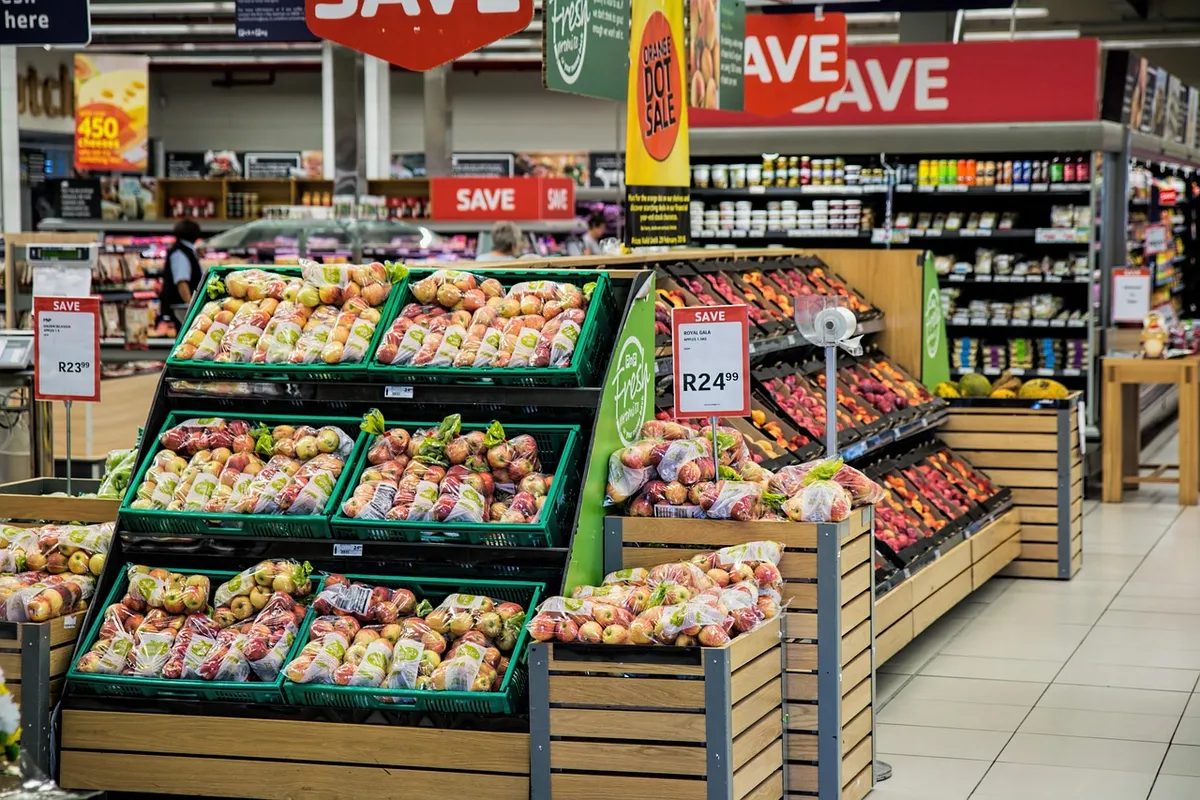
A hand reaches for a basket in a small local shop, noting the difference in price between a massive supermarket and a neighborhood corner store. Choosing between different retail models can change your spending patterns entirely.
The landscape of retail is diverse, ranging from massive chains to tiny local outlets. About 11% of groceries are sold by a grocery store that is either independent or in a chain of just one, two, or three stores, making the independent stores, taken collectively, bigger than the biggest chains.
Understanding these scales helps in finding better deals. While online shopping is an option, as of 2019, about 3% of food was bought from an online retailer such as Amazon.com. Finding the right balance between local variety and bulk savings is a key part of lowering food budget tips.
In this sequence, the second step is the most comprehensive.
How can I reduce food waste to save money?
At midnight, I stare at a wilted bag of greens in the fridge and realize I must reduce waste to save my budget.

An empty refrigerator reveals a wilted bag of greens that was forgotten at the back of a shelf. Managing what you already own is the most direct way to lower food budget tips.
The scale of waste is staggering. This study estimated global food waste at 931 million tonnes (around 121 kg per person) across three sectors: households (61%), food service (26%), and retail (13%). Because households represent the largest share of waste at 61%, managing your pantry is vital.
You can save money on groceries by auditing your fridge before every trip. Reducing food waste reduction guide principles suggest that using what you have before buying more is the most effective way to stop losing money to the trash can.
What are the best times to shop for discounts?
A seasonal sale sign hangs in a window, promising lower prices on winter coats and summer linens. Timing your purchases with retail cycles can lead to substantial savings.
According to the National Retail Federation, back-to-school shopping is a significant period for retailers, trailing only holiday shopping, as consumers frequently purchase school supplies and clothing for their children.
Retailers use seasonal shifts to clear inventory, creating opportunities for the budget-conscious. During sales, items can be discounted from 10% up to as much as 50%, with the biggest reduction in sales occurring at the end of the season.
These products are sold at a reduced price compared to the perfectionist campaign showing a 24% increase in sales. By timing your bulk purchases or specialty item buys to these windows, you can maximize your purchasing power.
How do I manage a grocery budget with existing food waste?
A half-used carton of milk sits next to a full one, illustrating the challenge of habit versus reality. Applying a structured approach to shopping helps mitigate the impact of existing waste.
To manage your budget while dealing with current waste, follow these steps:
- Audit your current inventory to identify items nearing expiration. 2. Create a meal plan that uses those specific items as the base for meals. 3. Write a strict shopping list based only on what is missing to complete those meals.
Check your list against your pantry one last time before leaving the house to ensure you aren't double-buying. I remember checking my pantry before a recent trip and realizing I already had three bags of flour, which saved me immediate cash.
What are the limits of these saving strategies?
A budget spreadsheet shows a growing surplus, but it cannot account for every external economic shift. While these methods are effective, they have specific boundaries.
A limitation of these strategies is that they primarily address consumer-level behavior and cannot control the systemic costs of transportation or advertising.
While you can manage your own waste, you cannot control the 931 million tonnes of global food waste that occurs across retail and food service sectors.
The same subject is also called Reduce food spending now.
Related
- Energy saving tips: Save electricity bills 5 steps guide
- Fridge food use tips: How to save money on groceries
How does the supply chain affect the cost of feeding a household? The supply chain introduces many points where the initial cost of food increases before it reaches the consumer. Less than 10% of consumer spending on food goes to farmers, indicating that substantial markups occur during transit and distribution. These intermediate corporations and logistical processes absorb a large portion of the initial cost of feeding a household. Understanding this structure helps consumers focus their efforts on reducing waste, which is a controllable factor in the overall cost.
How does the cost of feeding a household compare across different retail environments? The cost of feeding a household varies significantly depending on the retail environment chosen. A comparison between a massive supermarket and a neighborhood corner store shows different price points for similar items. Consumers must weigh the convenience of large chains against the potential savings found in smaller, independent shops.
Understanding the scale of these stores aids in making informed choices regarding the cost of feeding a household. While online retailers offer convenience, their contribution to overall food purchases was relatively small in one assessment.
Therefore, comparing in-store options remains a primary strategy for cost reduction.
When considering the cost of feeding a household, the structure of the supply chain dictates much of the final price. The small percentage of consumer spending that reaches farmers highlights the substantial overhead absorbed by various stages of distribution.




Comments 0