Meal Planning for One: Slash Food Costs & Reduce Waste Now
"Stop throwing your hard-earned money into the trash can every Sunday night."
If you live alone, you likely face a constant battle between wanting to eat healthy and watching expensive produce turn into a science project in the back of your fridge.
Mastering the art of solo meal planning isn't about eating the same thing every day; it's about strategic purchasing and clever storage.
* Upfront planning prevents impulse buys and minimizes spoilage. * Strategic ingredient pairing allows you to use small quantities across multiple meals. * Proper storage and freezing techniques significantly extend the life of your groceries. * Focusing on versatile staples prevents the "half-used" ingredient trap.

Why do my groceries go bad so fast?
The fluorescent lights of the grocery store hum overhead as you toss a large bag of spinach into your cart, thinking about the healthy salads you'll make all week. By Thursday, that bag is a wilted, liquid mess at the bottom of your crisper drawer.
According to Lipids in health and disease (2025), a one-unit increment in METS-VF correlates with a 41% increased risk of prevalent AVC.
This cycle of waste usually stems from a mismatch between purchasing habits and actual consumption. Many solo shoppers fall into the trap of buying "cheap" bulk deals that they cannot possibly finish before the expiration date.
While a large pack of chicken might look like a bargain, if you end up throwing away half of it because it spoiled, you didn't save money—you lost it. For example, if you buy a 3-pound pack of meat to save $4, but toss 1.5 pounds because it turned gray, you actually paid a premium for the waste.
Another common culprit is the "half-used" item. You buy a jar of specialty sauce or a specific vegetable for one recipe, use a fraction of it, and then let it sit until it becomes unusable. This is why your fridge often feels full of half-empty containers that serve no purpose.
To break this cycle, you must transition from "shopping for recipes" to "shopping for inventory." Before you even step foot in a store, you need to know exactly what you have.
*Actionable Tip:* Conduct a "Fridge Inventory" before every shopping trip. Empty your fridge, check expiration dates, and write down exactly what needs to be used up first.
But knowing what you have is only half the battle; you also need a way to organize the chaos.
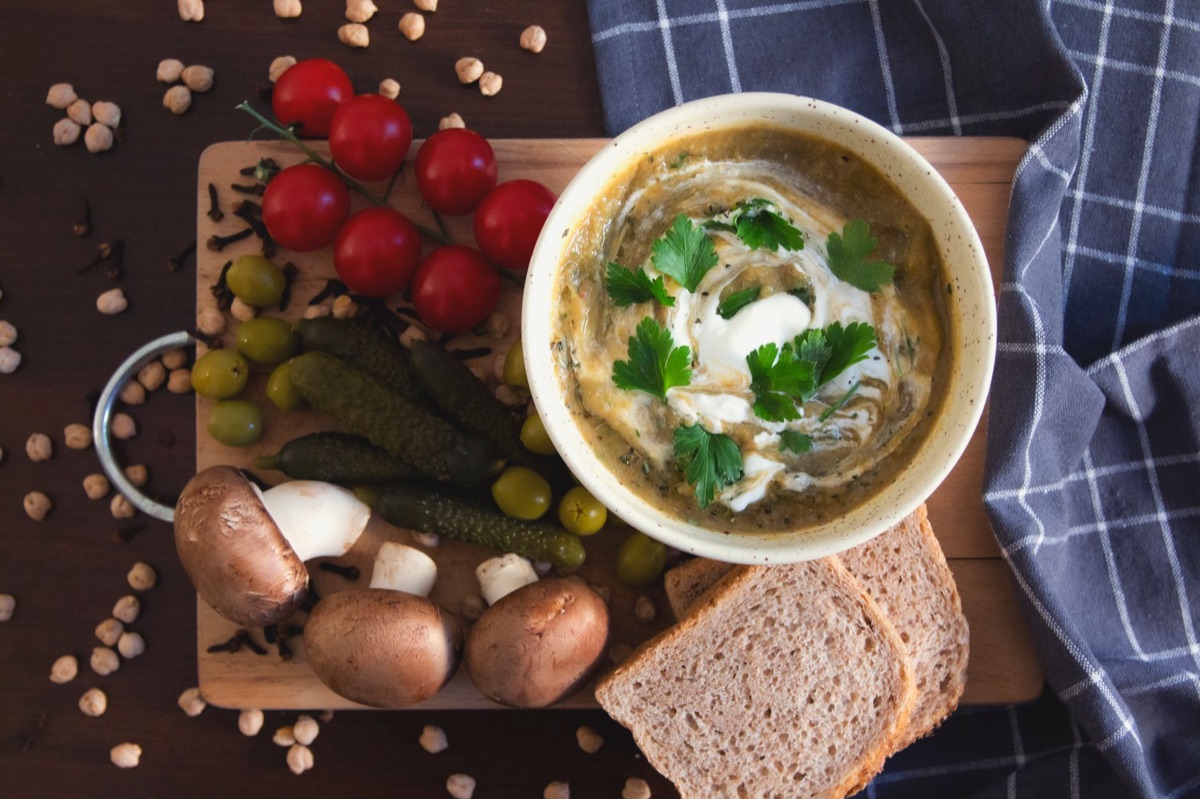
The weekly meal plan blueprint: planning smarter, not harder
You stand in your kitchen on a Sunday morning, staring at a blank notebook and a fridge that looks suspiciously empty despite a full grocery bag. You realize you have no idea what to cook, so you grab something random, setting the stage for a week of expensive takeout.
Effective planning for one person requires a three-phase approach that balances variety with efficiency.
Phase 1: Inventory First Never start a shopping list from scratch. Start by looking at your pantry and fridge. If you have a box of pasta and a jar of marinara, your plan should revolve around those items. This is the principle of using what you already own to offset new costs.
Phase 2: Core Shopping List Focus on versatile, long-lasting staples. Items like grains (rice, quinoa), root vegetables (potatoes, carrots), and frozen vegetables provide a stable foundation. These items won't spoil overnight, giving you a safety net if your plans change.
Phase 3: Small-Scale Protein/Produce Buy-In Avoid the temptation of "family size" meat packs unless you have a specific plan to freeze them immediately. Buy meat and produce in amounts that match your planned meals.
It is better to pay a slightly higher price per pound for a smaller portion than to waste the "savings" of a bulk pack. I remember once buying a massive bag of onions to save $2, only to find a mountain of moldy layers a week later. It was a lesson in the true cost of "deals."
*Pro Tip:* Always allocate one "Flex Meal" per week. This is a night where you don't plan a specific recipe, but instead use up whatever random leftovers or odds and ends are left in the fridge.
However, even the best plan can fail if you don't know how to handle the ingredients once they arrive.
From purchase to plate: maximizing ingredient lifespan
The smell of slightly bruised apples hits you as you open the fridge, a reminder that you didn't store them correctly. You realize that even the best-laid plans fail if you don't know how to handle ingredients once they arrive home.
Maximizing your budget requires mastering both storage and preparation.
Smart Storage Hierarchy Not all produce belongs in the same place. Keep hearty items like onions and potatoes in a cool, dark place, but never store them together, as onions can cause potatoes to sprout faster.
Keep delicate greens in airtight containers with a dry paper towel to absorb excess moisture.
The Power of Freezing Freezing is your best friend as a solo cook. If you buy a large bag of broccoli, blanch it (briefly boil then plunge into ice water) and freeze it immediately.
You can also freeze portions of sauces, herbs in oil, or even leftover cooked grains to use as a base for a quick stir-fry later.
"Scrap-to-Savory" Cooking Don't throw away the ends of your vegetables. Onion skins, carrot tops, and herb stems can be collected in a bag in your freezer. Once the bag is full, boil them to create a flavorful vegetable stock. This turns "waste" into a free culinary resource.
Small-Batch Cooking Cooking a massive pot of something often leads to "leftover fatigue." Instead, try cooking grains or pulses in small, measured batches. This keeps your food fresh and prevents you from eating the same flavor profile for four days straight.
| Storage Method | Best For | Pro Tip |
|---|---|---|
| Airtight Container | Leafy greens, berries | Add a paper towel to absorb moisture. |
| Freezer Bag | Meat, bread, cooked grains | Squeeze out all air to prevent freezer burn. |
| Cool, Dark Pantry | Potatoes, onions, garlic | Keep onions away from potatoes. |
| Glass Jar with Water | Fresh herbs (like cilantro) | Treat them like a bouquet of flowers. |
But how do you transition from a messy fridge to a streamlined system?
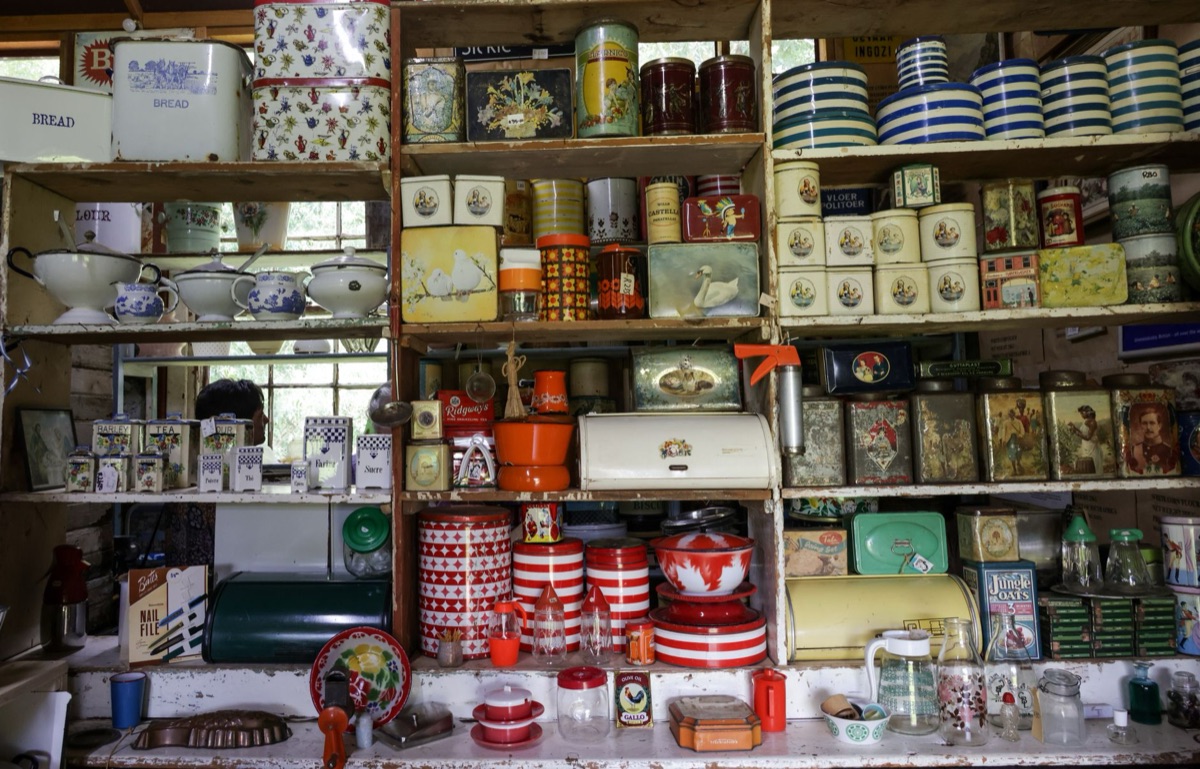
How to build a foolproof solo shopping routine
You sit at your small dining table, looking at a plate of plain rice and a single egg. It's cheap, but it feels repetitive. You wonder if there is a way to make budget eating feel more like actual dining.
To elevate your meals without breaking the bank, you need a repeatable process. Follow this checklist to stay on track:
- The Friday Audit: Every Friday evening, check your fridge. Identify which items are nearing their end and which are still fresh.
- The Master List: Create a list of 5-7 "versatile staples" you always keep in stock (like eggs, rice, or frozen peas).
- The Targeted Buy: Only buy fresh produce for the next 3 days. Buy the rest of your week's needs from the freezer or pantry.
- The Portion Check: When you arrive home, portion out meat or large items immediately into single-serving containers or freezer bags.
- The Sunday Reset: Spend 20 minutes every Sunday prepping one "base" ingredient (like a large pot of grains or washed greens) to make weekday cooking effortless.
By following this, you avoid the trap of buying for a fantasy version of yourself that eats five salads a day.
But even with a checklist, life happens.
Troubleshooting common pitfalls: when things go wrong
It is 7:00 PM on a Tuesday, you are exhausted from work, and you realize you forgot to defrost the chicken you planned to cook. You end up ordering expensive takeout, feeling the sting of a wasted budget.
Even with a plan, things will go wrong. Here is how to recover.
The "Leftover Syndrome" Don't view leftovers as "old food." View them as "prepped ingredients." If you have leftover roasted chicken, don't just eat it as a cold sandwich. Shred it to make tacos, put it in a soup, or use it as a topping for a salad. This keeps the eating experience interesting.
Buying Too Much vs. Buying Too Little If you find yourself throwing away food every week, you are over-buying. If you find yourself running to the store every two days, you are under-buying. Keep a simple log of what you actually finish versus what you toss to find your "sweet spot" volume.
The Mid-Week Slump There will always be a night when you are too tired to cook. Always have an "Emergency Scraps Meal" ready—items like pasta, canned beans, or frozen dumplings that require zero effort but prevent you from spending money on delivery.
*Note on limitations:* These strategies work best for those with access to basic kitchen tools like a freezer and airtight containers. If you live in a space without significant refrigeration or cooking facilities, these methods may need to be adjusted to focus more on shelf-stable items.






Comments 0