Debt payoff with budget: Tips to eliminate liabilities
"A budget is not just a list of expenses; it is a roadmap to freedom from the weight of owing others."
Effective debt payoff with budget requires a disciplined approach to tracking every cent that enters and exits your household. This guide explores how to use a budget to eliminate liabilities, manage debt with budget strategies, and build a sustainable financial future.
You will learn how to prioritize payments, track spending debt free, and implement a debt reduction plan through structured record-keeping.
How can a budget help with debt payoff?

At the kitchen table, I grip my pen tightly while scanning the ledger to find extra funds for my debt.
A person sits at a wooden desk, opening a fresh notebook to record every transaction. Using these records to identify leaks in spending is the first step toward debt payoff with budget.
A budget acts as a diagnostic tool that reveals exactly where money is being diverted away from debt repayment. By categorizing every expense, you can identify non-essential spending that can be redirected toward outstanding balances.
This process turns vague financial goals into actionable monthly targets.
The ability to manage debt with budget strategies depends on the clarity provided by your spending logs. Without a clear view of your cash flow, you cannot effectively allocate surplus funds to principal balances.
Tracking your progress ensures that you remain focused on the long-term objective of becoming debt free.
A budget provides a clear roadmap by showing exactly how much surplus cash is available each month to put toward outstanding balances. By categorizing expenses, you can identify unnecessary costs and redirect those funds toward your debt, accelerating your progress.
What are the steps to manage debt with budget? Debt payoff with budget
A hand carefully writes down a list of monthly bills on a notepad to prepare for the upcoming week. To successfully manage debt with budget, you must follow a structured sequence of financial management.
- Document all current liabilities, including the total balance and interest rates for every account. 2. Categorize all monthly income and essential living expenses to find your monthly surplus. 3. Allocate the surplus specifically toward your highest-priority debt each month.
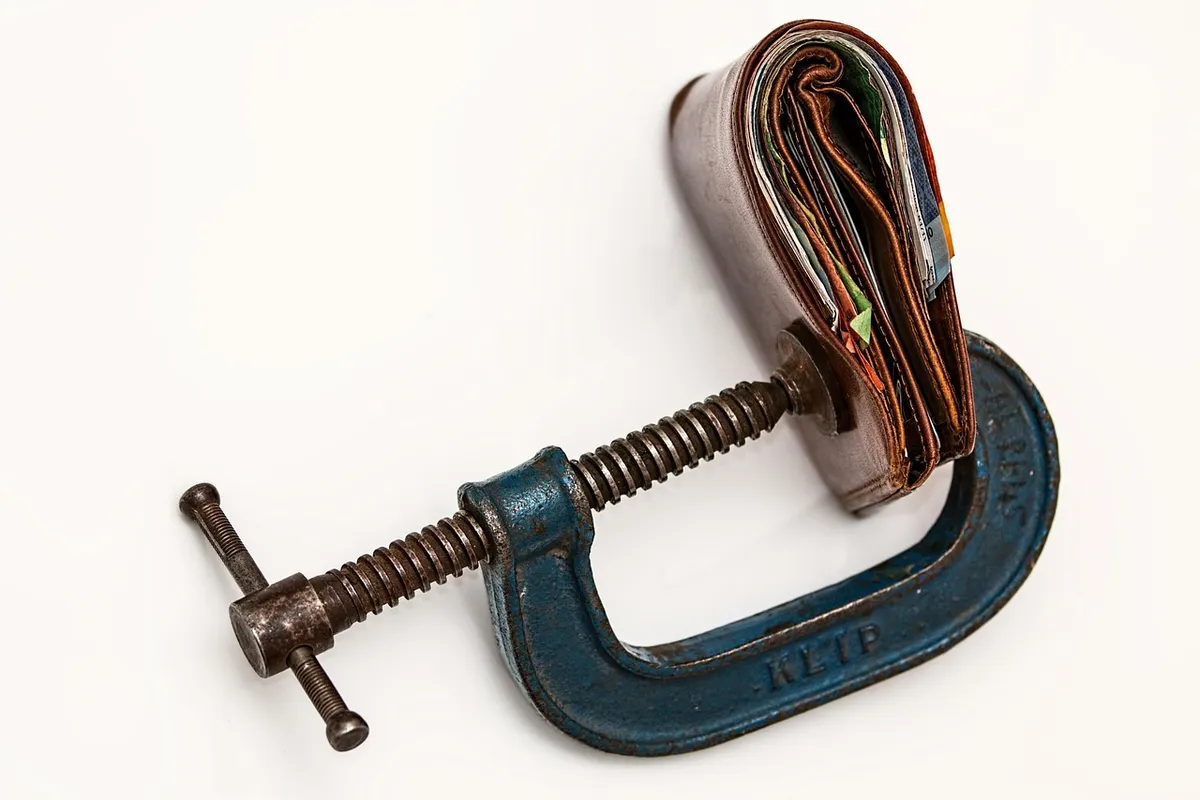
Finalize the process by checking your progress against your initial goals to ensure the plan remains effective. This systematic approach ensures that every dollar is working toward reducing your total liability.
- List all current debts, including total balances and interest rates.
- Categorize your monthly income and essential living expenses.
- Allocate the remaining funds toward your highest-priority debt.
How to use budget for debt reduction?
A person compares two different bank statements side by side to see where costs have changed. Learning how to use budget for debt reduction involves choosing a specific strategy to tackle your obligations.
One common method is to focus on the highest interest rates first to minimize the total cost of borrowing. Another method involves paying off the smallest balances first to build psychological momentum. Both strategies require a consistent budget to ensure the extra payments are made regularly.
A debt reduction plan is most effective when it is treated as a non-negotiable monthly expense. By treating debt repayment as a mandatory bill, you prevent the money from being spent on impulse purchases. This disciplined mindset is essential for long-term success.
To maximize debt reduction, treat your debt payments as a non-negotiable monthly expense. By strictly adhering to a budget, you ensure that extra income—such as bonuses or tax refunds—is immediately applied to principal balances rather than being absorbed into lifestyle inflation.
How can I track spending debt free?

An individual picks up a receipt from a grocery bag and enters the amount into a mobile application. Learning to track spending debt free allows you to see the direct impact of your lifestyle choices on your debt levels.
As reported by ECOS, the household credit was 2019785.3 billion KRW as of 2026Q2.
Tracking every single purchase prevents the "invisible leak" where small, unaccounted-for expenses drain the funds meant for debt. When you see the numbers daily, you become more mindful of your consumption habits. This awareness is the foundation of a successful debt reduction plan.
| Strategy Type | Primary Focus | Main Benefit |
|---|---|---|
| Interest-Priority | High-interest rates | Minimizes total interest cost |
| Balance-Priority | Smallest balances | Builds psychological momentum |
I found that comparing my actual spending against my planned budget helped me identify exactly where I could cut back to accelerate my payments.
Tracking spending while debt-free involves monitoring your net worth and ensuring your lifestyle remains within your means. Use tools like spreadsheets or mobile apps to log every transaction, which helps prevent lifestyle creep and ensures you remain on track to build savings.
What are the limitations of budgeting?
A person stares at a growing pile of bills on a kitchen table, feeling the weight of the situation. A limitation of a budget is that it cannot account for sudden, unavoidable emergencies like medical costs or urgent repairs.
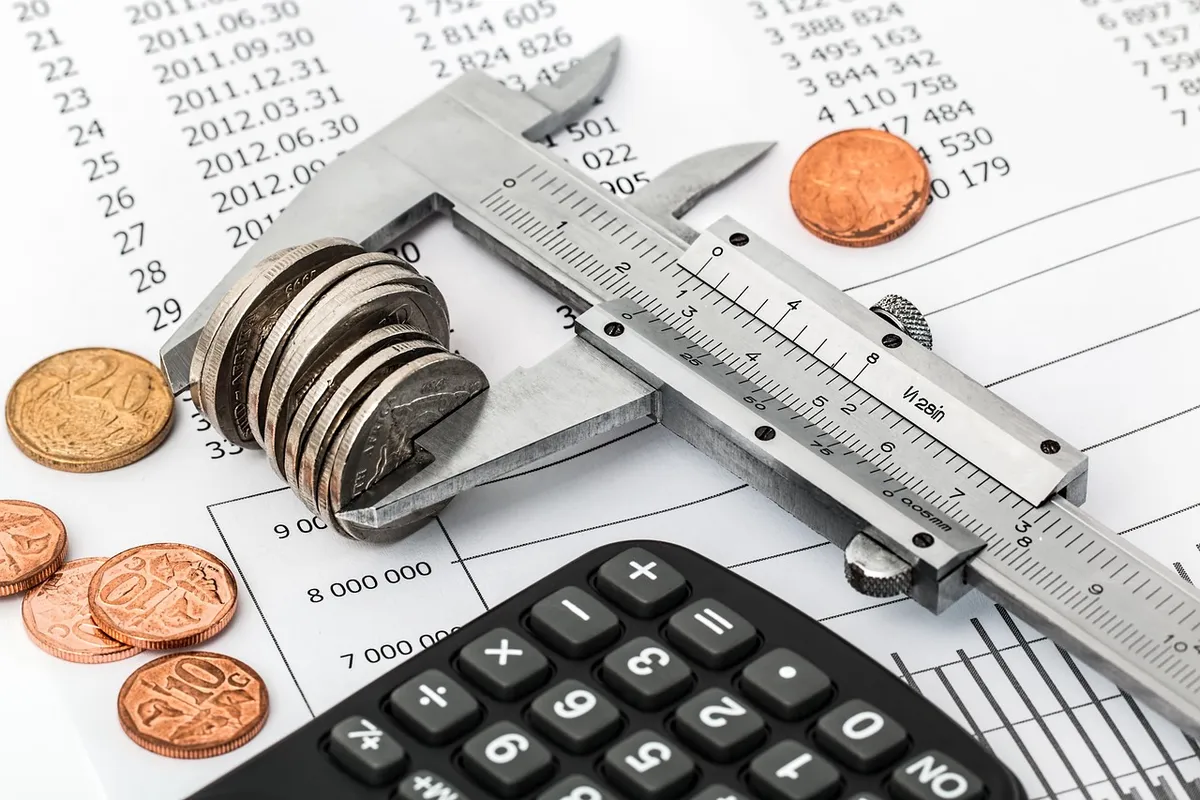
While a budget is a powerful tool, it is not a substitute for an emergency fund. If you direct every single cent toward debt, you may find yourself forced to take on new debt when an unexpected expense arises. Maintaining a small cash cushion alongside your debt own-plan is vital.
Budgeting is a tool for allocation, but it cannot solve underlying issues like insufficient income or sudden emergencies. It requires consistent discipline to be effective, and an overly restrictive budget can lead to burnout if it does not account for necessary lifestyle needs.
The same subject is also called Budgeting to pay debt.
This part also covers Budgeting tips for debt.
This part also covers Improve finance with budget.
Related







Comments 0