Fridge cleanout tips: Master crisper drawer settings guide
"The difference between a chaotic kitchen and a streamlined one often lies in the small drawers we overlook."
Effective fridge cleanout tips involve managing humidity settings and organizing inventory to prevent waste. This guide covers crisper drawer usage, food safety, and systematic inventory management to help you save money and reduce waste.
Key takeaways: * Master your crisper drawer settings to extend produce life. * Monitor for mold to prevent contamination. * Use systematic inventory checks to minimize food waste.
How do I use my crisper drawer?
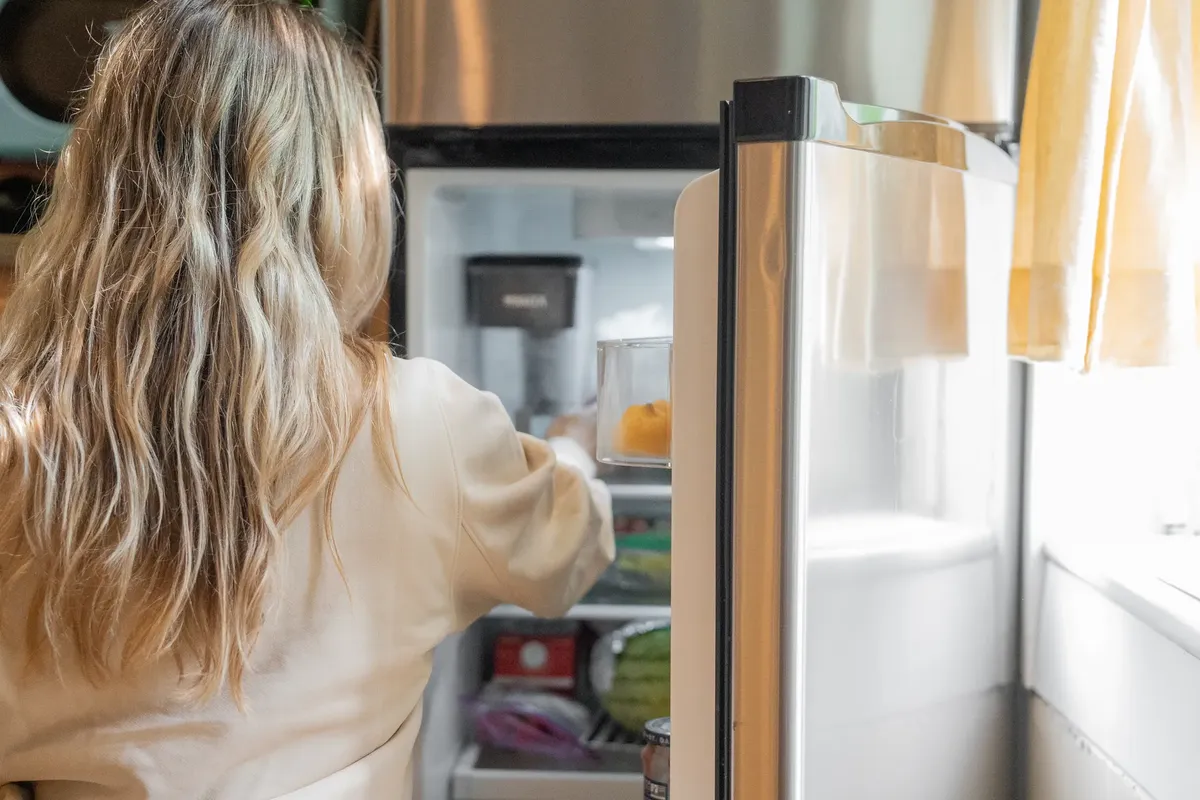
At midnight, I slid open the plastic bin in the fridge and felt the cold humidity hitting my skin.
Standing in front of the refrigerator, I pulled out the heavy plastic bin to see which vegetables were wilting. Many people struggle with these specific compartments because the settings are often misunderstood.
A 2010 survey commissioned by Robert Bosch GmbH found that 55 percent of surveyed Americans "admit to not knowing how to use their crisper drawer controls". Understanding these settings allows you to adjust humidity levels for different types of produce.
High humidity keeps leafy greens crisp, while low humidity prevents ethylene-producing fruits from spoiling too quickly.
Smart fridge usage begins with mastering these manual controls. If you treat the crisper as a single-purpose bin, you lose the ability to regulate moisture. Turning the slider can make the difference between a fresh salad and a soggy mess.
- Group leafy greens together in the high-humidity drawer.
- Place firmer vegetables in the low-humidity drawer.
- Check the drawer regularly to ensure items are not touching damp surfaces.
How can I prevent food contamination? Fridge cleanout tips
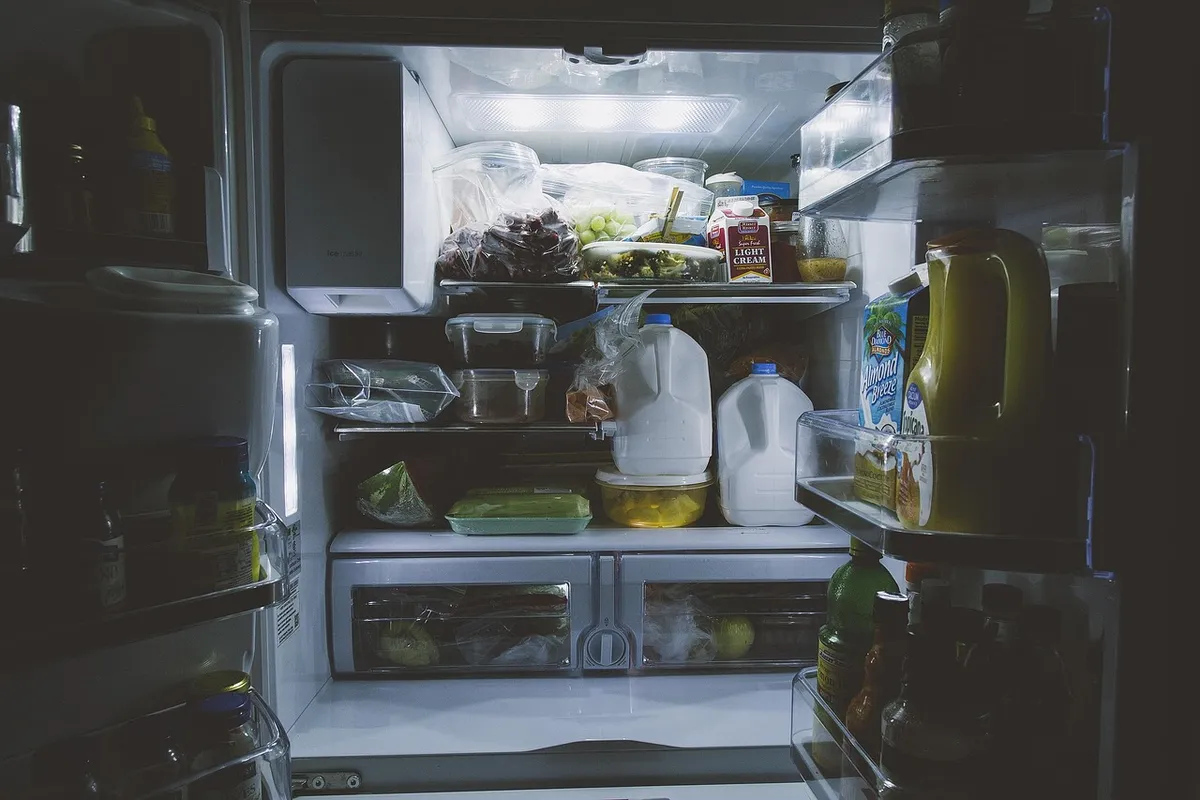
In the dim kitchen light, I squinted at a fuzzy container while reaching into the fridge.
I carefully inspected a container of bread, looking for any signs of discoloration or fuzzy spots. Managing food safety is a critical part of effective fridge cleanout tips to ensure nothing spoiled is accidentally consumed.
Safety is a primary concern when managing old stock. According to the World Health Organization, roughly 25% of the world's food may be contaminated by mycotoxins. This highlights the importance of regular inspections to remove moldy items immediately.
Food waste reduction tips often focus on saving money, but health must come first. When you find mold, it is often safer to discard the entire item rather than cutting around it. Regular cleaning prevents spores from spreading to other fresh ingredients.
In this sequence, the second step is the most important.
How do I manage my kitchen inventory?
I sat at the kitchen table with a notepad, listing every item currently sitting on the middle shelf. Systematic kitchen inventory tips help you visualize what you own before you head to the grocery store.
Effective inventory management requires a consistent routine. You should group similar items together and place older products at the front of the shelf. This ensures that you use items before they expire, which is a core part of meal planning hacks.
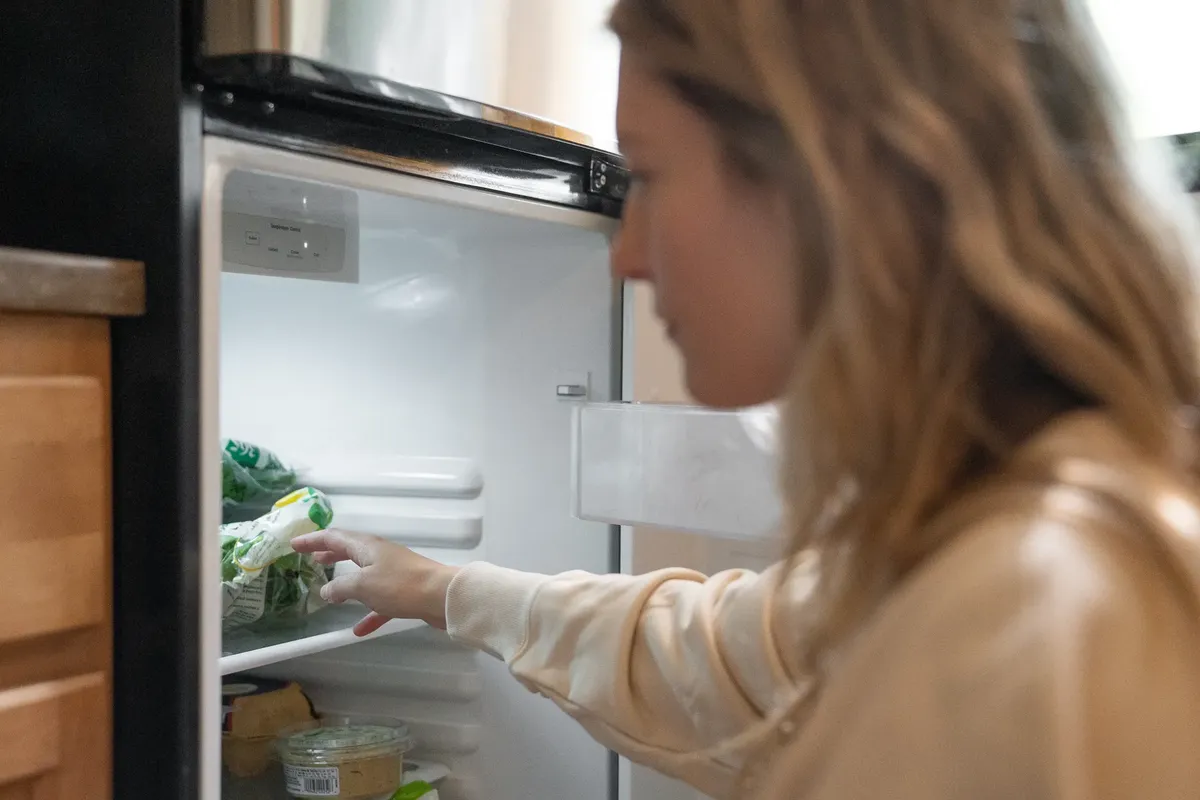
Creative ingredient reuse becomes much easier when you know exactly what is in your pantry. By maintaining a clear view of your supplies, you can plan meals around existing ingredients rather than buying duplicates.
What are the best ways to use leftovers?
I gathered several small containers of leftover pasta and roasted vegetables to prepare for the next day. Finding the best ways to use leftovers is essential for reducing the amount of food you throw away.
To successfully use leftovers, follow these steps: 1. Categorize leftovers by type, such as proteins, grains, or vegetables. 2. Plan a specific meal, like a stir-fry or salad, to incorporate different textures. 3. Store leftovers in airtight containers to maintain freshness.
Always perform a final check of the food's smell and texture before reheating. I find that using leftovers effectively prevents the "empty fridge" feeling while saving significant time during the work week.
How do I handle food waste and recycling?
I gathered the organic scraps from the vegetable peelings to prepare them for disposal. Managing the byproduct of cooking is an essential part of maintaining a clean and sustainable kitchen.
While domestic food management is different from industrial processes, the principle of minimizing waste remains the same. Efficiently using every part of an ingredient is a great way to practice saving money withผม food.
| Category | Focus Area | Primary Goal |
|---|---|---|
| Inventory | Storage & Tracking | Waste Prevention |
| Preparation | Ingredient Reuse | Resource Optimization |
I always compare my current stock to my shopping list to avoid overbuying. This comparison helps maintain a balanced pantry without unnecessary accumulation.
Related
What is the difference between high and low humidity settings? High humidity settings maintain a moist environment suitable for leafy greens, helping them remain crisp. Conversely, low humidity settings are preferable for fruits that produce ethylene, which slows down their ripening process. Understanding the difference between these two settings allows for targeted produce care within the crisper drawer.
When should I discard food items? When mold is visible on any food item, discarding the entire item is the recommended procedure, rather than attempting to salvage portions. This caution prevents the potential spread of spores to other ingredients in the refrigerator. Regular cleaning practices support this safety measure.
How does inventory management compare to meal planning? Systematic inventory checks provide the foundational knowledge of what supplies are available before grocery shopping. Meal planning hacks then utilize this inventory knowledge to construct meals around existing ingredients. This comparison shows that knowing your stock dictates the feasibility of your meal choices, minimizing unnecessary purchases.
Maintaining a clear view of your supplies allows you to plan meals utilizing existing ingredients, which is a direct benefit of good inventory tracking. This practice supports the goal of reducing food waste by preventing the purchase of duplicates.


Comments 0