Fridge cleanout 5 steps: Guide to food safety
"A full refrigerator often masks the reality of expiring ingredients and wasted energy."
Effective fridge cleanout 5 steps involve auditing your inventory, verifying temperature zones, and organizing items by shelf life to prevent waste.
This guide provides a strategic approach to managing perishables, maximizing energy efficiency, and ensuring food safety through proper temperature control.
Key takeaways: * Maintain the optimal perishable food storage range between 3 to 5 °C (37 to 41 °F). * Understand that food is safe indefinitely when stored at or below −18 °C (0 °F). * Manage the balance between freezer and refrigerator compartments to maintain stable temperatures.
How can I start a fridge cleanout 5 steps process?
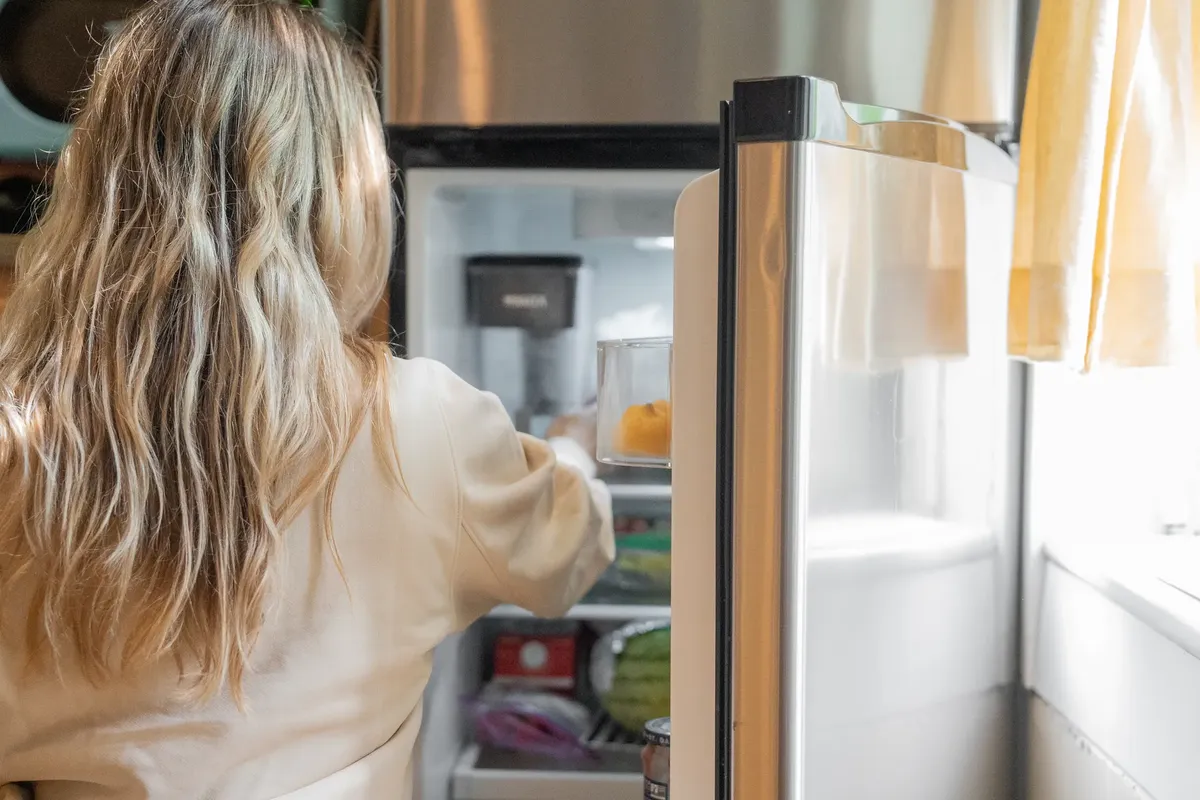
A hand reaches for the door handle, pulling it open to reveal a crowded shelf of half-used jars and aging produce. To begin a successful fridge cleanout 5 steps routine, you must first clear the space to see what you actually own.
The first step involves a complete inventory check of all items. You must identify which items are approaching their expiration and which are stable. Clearing the shelves allows you to group similar items together, making it easier to plan meals around what is already present.
Smart fridge management begins with this visual audit. By seeing the volume of food clearly, you can prevent overbuying during your next grocery trip. This process turns a cluttered appliance into a streamlined tool for meal preparation.
How can I keep my food safe with an empty fridge? A thermometer sits on the middle shelf, waiting to verify the internal environment. Using empty fridge tips effectively requires understanding that temperature consistency is the foundation of food safety.
The optimal temperature range for perishable food storage is 3 to 5 °C (37 to 41 °F). According to Wikipedia, maintaining this specific range helps prevent spoilage of sensitive items like dairy and meats.
If your appliance is not within this window, your efforts to use up leftovers guide will be undermined by rapid decay.
Checking these levels ensures that the items you intend to save remain safe for consumption. If the temperature is too high, the food you are trying to manage will spoil faster than you can use it.
How do I use up leftovers guide techniques effectively?
A glass container filled with yesterday's pasta sits ready for a quick lunch. Applying a use up leftovers guide involves categorizing items by how much longer they can safely stay in the unit.
For items in the freezer, remember that food stored at or below −18 °C (0 °F) is safe indefinitely. This allows you to move items from the main compartment to the freezer to extend their life. When you organize by shelf life, you can prioritize cooking the items that need to be consumed immediately.
Effective food recycling ideas start with this categorization. By separating long-term frozen goods from short-term perishables, you create a clear roadmap for your weekly cooking schedule.
What is the secret to managing my fridge smartly? A finger adjusts the temperature dial, balancing the cooling needs of two different compartments. Smart fridge management requires understanding how the cooling system works to prevent one side from affecting the other.
Most household freezers maintain temperatures from −23 to −18 °C (−9 to 0 °F). However, you must be careful not to set the freezer too low, as refrigerator freezers generally do not achieve lower than −23 °C (−9 °F).
This is because the same coolant loop often serves both compartments, and lowering the freezer temperature excessively can cause difficulties in maintaining above-freezing temperatures in the refrigerator compartment.
Maintaining this balance is essential for a successful daily fridge organization plan. If the refrigerator becomes too warm due to an overactive freezer, your fresh produce will not last.
How can I implement a daily fridge organization plan?
A hand slides a heavy tray into the freezer, making room for new items. To execute a daily fridge organization plan, you should follow these specific steps:
- Group items by category, such as dairy, produce, and proteins. 2. Place items with the closest expiration dates at the front of the shelves. 3. Verify that the temperature is stable before adding large amounts of new food.
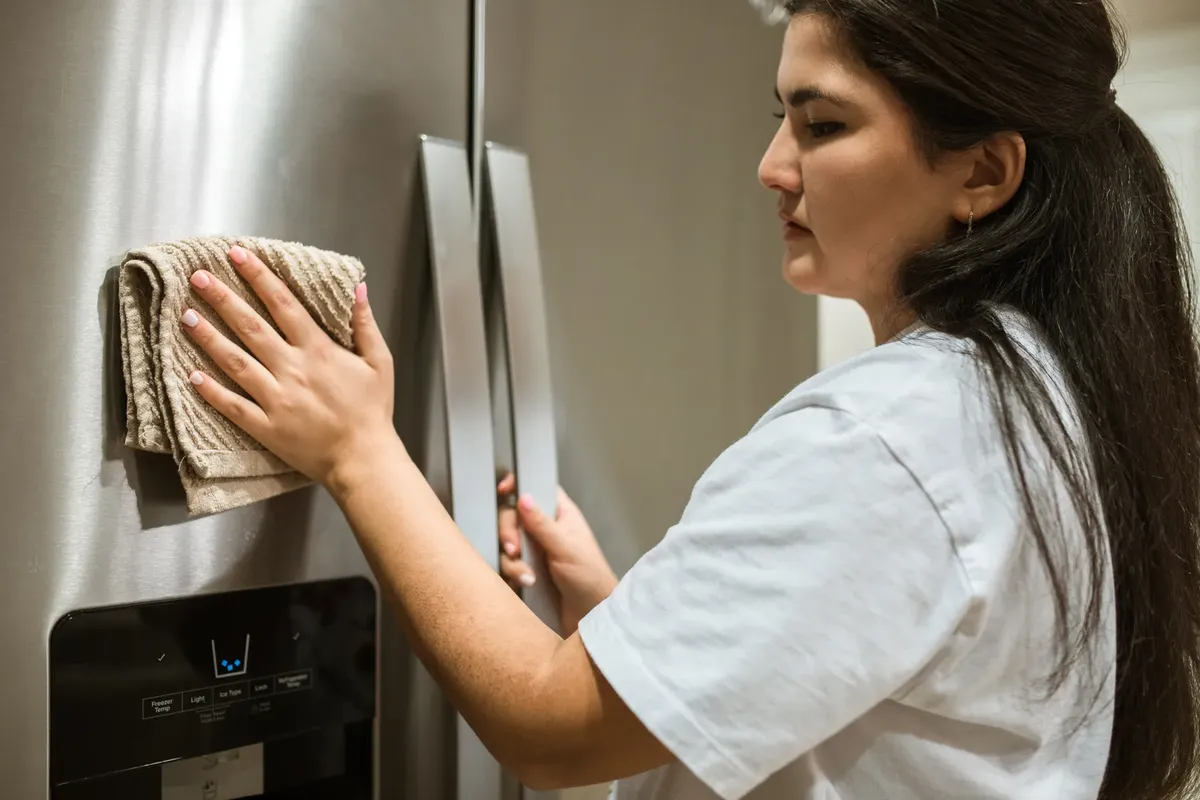
It is recommended to use the cooling feature several hours before adding more than 1 kg of unfrozen food to the freezer to prevent temperature spikes. I found that checking these levels during my initial inventory helped me decide what to cook first.
A final check of the thermometer ensures the environment is stabilized after reorganization.
One limitation of this process is that the effectiveness of temperature-based organization is limited if the appliance's coolant loop cannot maintain the necessary thermal separation between compartments.
The same subject is also called Food waste reduction.
This part also covers How to save money with fridge.
This part also covers Efficient food recycling ideas.
Related
- Side Job Guide: Choosing a Side Job Guide for Success
- Realistic side job ideas guide for $5,000 savings
What conditions affect the success of a fridge cleanout 5 steps? 1. The appliance's coolant loop dictates the thermal separation between compartments, which limits the effectiveness of temperature-based organization. 2. Maintaining the optimal perishable food storage range between 3 to 5 °C (37 to 41 °F) is crucial for preventing spoilage. 3. If the refrigerator becomes too warm because the freezer is too active, fresh produce will not last as long as intended.
When should I adjust the fridge settings? Adjusting the settings should occur when you are implementing a daily fridge organization plan. Before adding more than 1 kg of unfrozen food to the freezer, it is recommended to use the cooling feature for several hours to avoid temperature spikes. This precaution helps ensure the entire refrigerator remains within safe parameters.
Proper management of the full refrigerator requires balancing the needs of both the freezer and refrigerator compartments to keep temperatures stable. This balance is necessary because the same coolant loop frequently serves both areas of the appliance.






Comments 0