Budgeting fridge cleanout steps: Guide to food spending
An empty refrigerator can feel like a financial void, but it is often just a management problem. By using a budget-focused approach to inventory, you can turn wasted groceries into saved cash.
This guide provides a structured five-step method to manage food spending through systematic fridge cleanouts. You will learn how to audit your kitchen, plan meals around existing stock, and prevent future waste.
Key takeaways: 1. Perform a full inventory to see what you already own. * Match meal plans to current ingredients to prevent new spending. * Use a budget journal to track food waste and grocery costs.
How to start a budgeting fridge cleanout?

At dawn in the dim kitchen, I grip a cold glass jar while beginning my budgeting inventory.
When you open the heavy refrigerator door in the kitchen, you might find a mountain of forgotten vegetables and half-used jars. You stand there with a pen and a notebook, ready to turn this chaos into a clear financial plan.
A successful budgeting fridge cleanout begins with a complete visual audit of every shelf and drawer. You must look past the organized containers to find the hidden items tucked in the corners of the crisper.
First, group your items by category, such as proteins, produce, and pantry staples. This grouping helps you see the volume of food you have before you decide what to cook.
Write down every single item you find, including the expiration dates. This list serves as your true starting point for a meal plan that requires zero extra spending.
The goal is to identify what needs to be used immediately to prevent loss. Once the list is complete, you can begin the process of turning these ingredients into actual meals.
Can I manage a fridge food waste plan? Budgeting fridge cleanout steps
In the quiet kitchen at midnight, I touch the wilting lettuce and realize that managing a food waste plan is the heart of my budgeting.
Measuring the contents of the refrigerator requires a different mindset than a standard grocery trip. Instead of thinking about what you want to eat, you must think about what you must use.
A fridge food waste plan focuses on the lifecycle of your ingredients to ensure nothing is thrown away prematurely. You look at the wilting greens and the nearly empty milk carton as the primary subjects of your next meal.
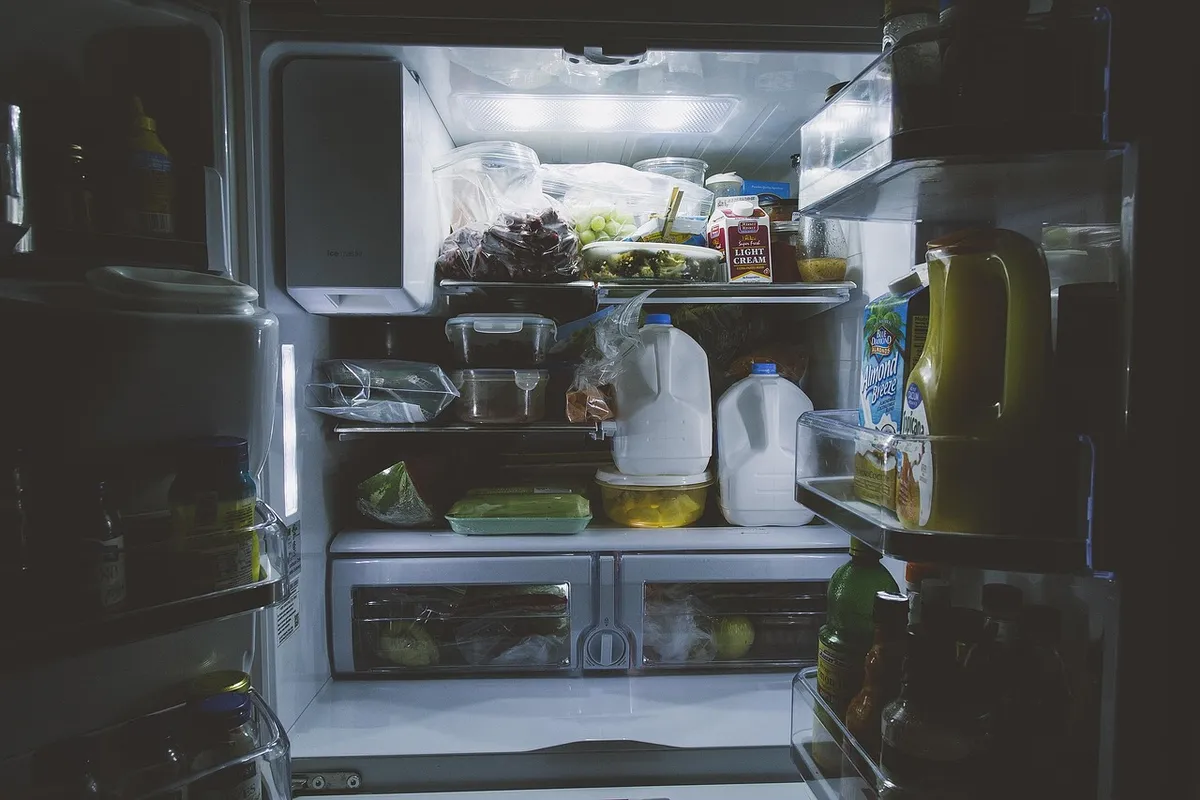
You can effectively manage waste by prioritizing items with the shortest shelf life. This strategy ensures that the most perishable goods are consumed first, saving you from replacing them.
A smart pantry use tips approach involves checking the back of the shelf for dry goods that might have been overlooked. By integrating these items into your routine, you maximize the value of every dollar spent.
Organizing your inventory regularly prevents the "hidden food" problem where items expire because they are out of sight. A clear list keeps your spending in check and your kitchen running efficiently.
What are the best meal prep budget guide steps?
At dusk, I sit at the wooden table and scribble in my notebook while following the best meal prep budget guide steps for budgeting.
Preparing meals with limited ingredients requires creativity and a strict adherence to your current inventory. You sit at the kitchen table, spreading out your handwritten list and a pile of recipe ideas.
Follow these three steps to execute a successful cleanout:
- Match ingredients to recipes: Look for recipes that use at least two or three items from your current list to minimize the need for new purchases. 2. Create "bridge" meals: Use staples like rice, pasta, or flour to stretch smaller amounts of protein or vegetables into larger, more filling portions. 3. Prep for the week: Once a meal is decided, prepare it in a way that allows for easy leftovers, which can serve as the foundation for the next day's lunch.
After completing these steps, perform a final check of your budget to see how much you saved by not going to the store. I often find that a single evening of planning prevents a much more expensive unplanned grocery run later in the week.
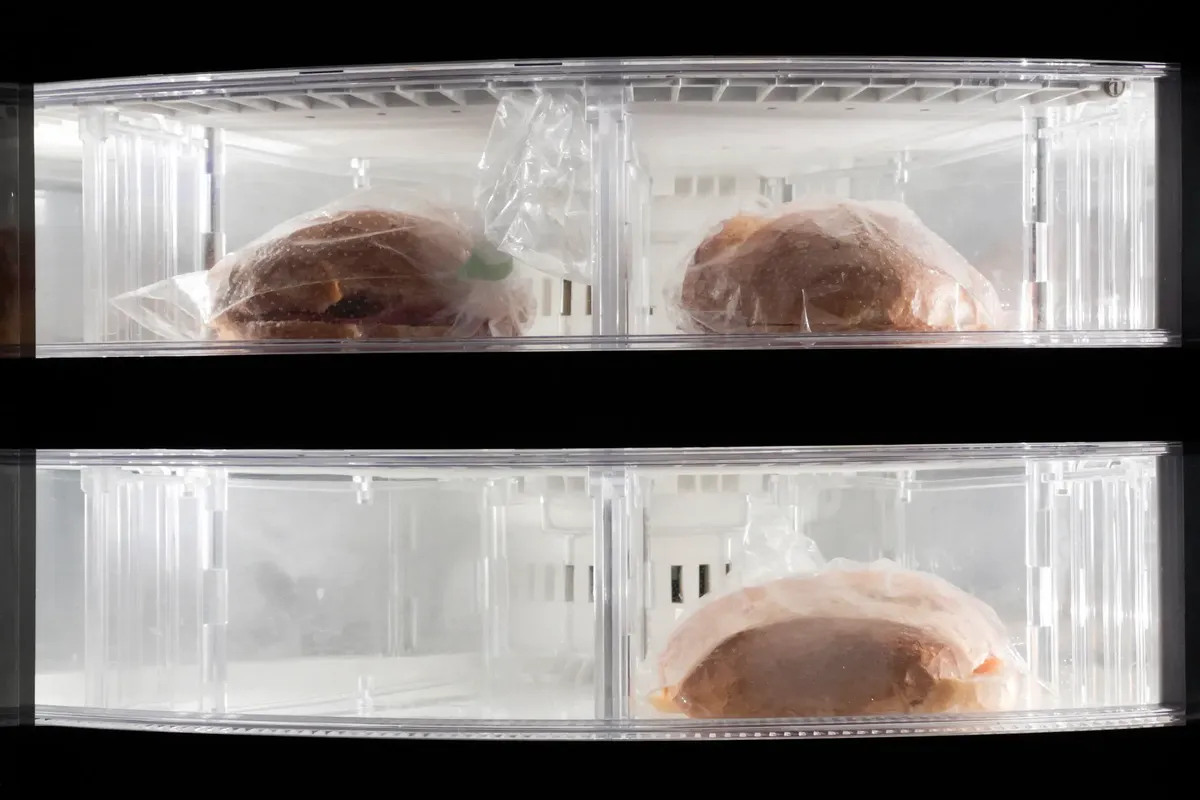
A well-structured plan turns a random collection of ingredients into a series of organized meals. This prevents the impulse to order takeout when you realize you have nothing to eat.
How to track food spending through an inventory management for savings?
Tracking your spending requires more than just looking at a receipt; it requires understanding the relationship between your pantry and your bank account. You sit with your laptop or a ledger, comparing your grocery receipts to your actual food consumption.
An inventory management for savings approach involves comparing what you bought to what you actually ate. If you find yourself throwing away expensive meat or rotting vegetables, your budget is leaking.
| Action | Budget Impact |
|---|---|
| Inventory Audit | Identifies immediate meal opportunities |
| Weekly Meal Planning | Prevents impulse grocery purchases |
By maintaining a consistent record, you can see patterns in your spending. You might realize you spend too much on fresh produce that goes to waste, allowing you to adjust your shopping habits.
Regularly updating your inventory helps you understand your true food budget. This awareness is the foundation of long-term financial stability in the kitchen.
How to handle a weekly budget for leftovers?
Managing leftovers is an art form that prevents the cycle of constant shopping and food disposal. You pull a glass container from the fridge, looking at the remains of last night's dinner with a plan in mind.
A weekly budget for leftovers ensures that you are not just eating "scraps," but are intentionally using yesterday's meal as today's fuel. This method treats leftovers as a primary ingredient rather than an afterthought.

To make this work, cook slightly larger portions of versatile foods like grains or roasted vegetables. These can be repurposed into different dishes, such as turning roasted vegetables into a frittata or grain bowls.
Labeling your containers with dates is essential for food safety and organization. This prevents the "mystery container" problem that leads to unnecessary waste.
Treating leftovers as a strategic tool helps maintain a low grocery bill. It allows you to stretch your food budget further without sacrificing the quality of your meals.
- How to start a budgeting fridge cleanout?
- Can I manage a fridge food waste plan?
- What are the best meal prep budget guide steps?
The subject here is Budgeting fridge cleanout steps.
The same subject is also called Saving money in kitchen.
Related
FAQ
How often should I do a fridge cleanout?
What is the main goal of a budget-focused cleanout?
Related posts

Why Check Word Origin Before Fridge: Temperature Needs

Cost of living: 90 percent Choosing deep word origins tips

Fridge cleanout success tips: How to maximize grocery budget





Comments 0