Debt repayment with budget: Guide to financial freedom
"A clear view of one's financial landscape is the first step toward freedom."
Developing a systematic budget is the most effective way to identify debt levels and create a strategic repayment plan. This guide covers how to track debt with a spending log, how to implement budgeting for debt payoff, and how to build a debt reduction plan guide through disciplined tracking.
This article is for individuals looking to regain control of their finances, provides a comparison of key economic indicators, and notes that a budget is limited by the actual income available.
How to track debt with a spending log?

At the heavy oak desk, I gripped my pen tightly while scribbling every expense into the log to face my growing debt.
A person sits at a wooden desk, pen in hand, carefully noting every transaction in a leather-bound ledger to see where the money goes. To begin, you must gather all recent statements to see the full scope of what is owed.
The first step involves documenting every single liability, including interest rates and minimum monthly payments. By using a spending log, you can see how much of your monthly income is being consumed by debt service.
According to ECOS, the average household monthly income was 6,969.4 thousand won in 2024Q4. Understanding this baseline is essential for determining how much surplus can be directed toward principal balances.
A thorough log prevents the sudden appearance of hidden fees or forgotten subscriptions. Once the numbers are on paper, you can see the relationship between your current lifestyle and your total debt. The goal is to transform vague anxiety into actionable data.
- Record every transaction immediately after it occurs.
- Categorize each expense to identify discretionary spending.
- Compare total spending against debt repayment targets weekly.
What are the best steps for budgeting for debt payoff? Debt repayment with budget
In the quiet morning light, I traced the lines of my new budget to find a path away from debt.

A person stands in a bright kitchen, looking at a printed budget sheet while a morning coffee steams nearby. Transitioning from simple tracking to active budgeting requires a shift in mindset from observation to strategy.
To move forward, follow these three specific steps: 1. Categorize all current expenses into "fixed" and "variable" groups to find potential savings. 2. Allocate a specific portion of your monthly income solely to debt reduction. 3.
Review the budget weekly to ensure spending remains within the established limits.
I remember looking at my own first budget and realizing how much was being lost to small, unnecessary purchases. This realization is the catalyst for change. By prioritizing debt, you ensure that your money works toward your future rather than just servicing the past.
| Category | Description |
|---|---|
| Fixed Expenses | Essential costs like rent or insurance that do not change monthly. |
| Variable Expenses | Flexible costs like groceries or entertainment that can be adjusted. |
A final check involves comparing your actual spending against your planned budget at the end of each month. This comparison reveals whether your strategy is working or if adjustments are needed.
In this sequence, the second step is the most extensive.
How to build a debt reduction plan guide?
Late at night in the dim study, I traced the ink on the paper and felt a heavy sigh escape my chest as I drafted a debt reduction plan guide.
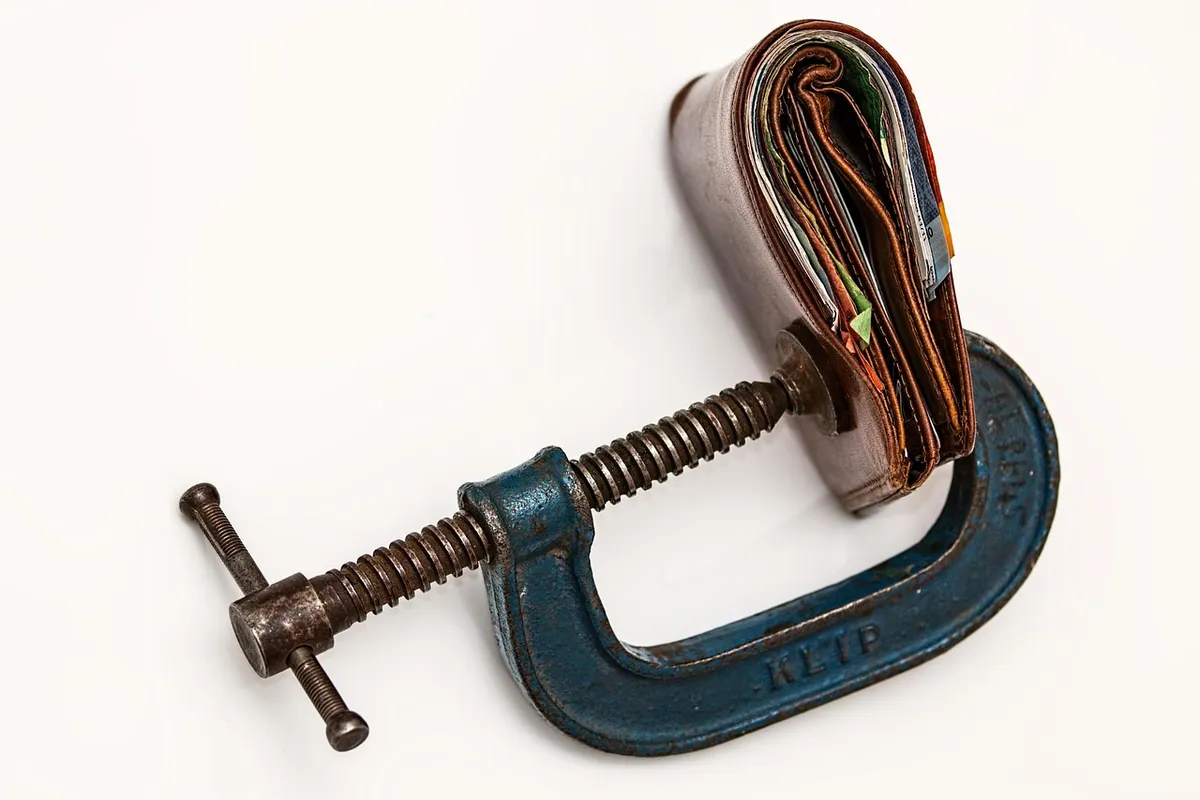
A person walks through a quiet park, mentally organizing the steps of a new financial strategy while the wind rustled the trees. A successful plan requires choosing a specific method to tackle balances, such as the snowball or avalanche method.
A debt reduction plan guide should focus on maximizing the impact of every dollar. One method involves paying off the smallest balances first to gain psychological momentum. Another approach focuses on the highest interest rates to minimize the total cost of borrowing over time.
The strategy must be flexible enough to accommodate changes in income while remaining disciplined. Without a clear goal, it is easy to revert to old spending habits. A structured plan turns overwhelming debt into a series of manageable tasks.
Applying a budget to existing financial conditions
A person sits in a quiet home office, reviewing a spreadsheet that shows the impact of current economic trends on their personal goals. When applying a budget, one must consider the broader economic environment, such as the household credit landscape.
According to ECOS, household credit stood at 2,019,785.3 billion won as of 2026Q2. These large-scale figures reflect the environment in which individual debt is managed. In a period of economic fluctuation, having a dedicated budget is even more critical for maintaining stability.

- Assess your total debt against your total monthly income. 2. Identify all sources of income and all recurring expenses. 3. Create a repayment schedule that targets specific debts. 4. Perform a monthly audit to ensure you are meeting your targets.
A limitation of any budget is that it cannot create money where none exists, meaning the plan is strictly bound by your actual income and available resources.
The subject here is Debt repayment with budget.
The same subject is also called Track debt with spending log.
The same subject is also called Financial tracking for loans.
This part also covers Systematic debt repayment steps.
This part also covers Analyze spending to pay debt.
How to use budget for debt
Related
- Emergency fund debt payoff plan: Why balance savings now
- Debt repayment strategy Goal oriented saving guide tips
How does a clear view of finances inform debt strategy? A clear view of one's financial landscape allows an individual to accurately assess the severity of their debt situation. This assessment is foundational because it dictates the appropriate debt reduction plan guide to employ. By seeing all liabilities, one can compare the interest rates against the minimum payments required for each debt. This comparison helps in selecting whether the snowball or avalanche method offers the most efficient path to becoming debt-free.
When must budget adjustments be made? Budget adjustments must occur when the weekly review reveals spending exceeding the established limits. This condition signals that the current spending patterns are unsustainable relative to the allocated debt reduction portion. Furthermore, if the actual spending significantly deviates from the planned budget at the end of the month, a formal review is necessary to recalibrate the strategy.
Maintaining a clear view of your spending log allows for proactive adjustments before small overages accumulate into larger financial problems. The disciplined tracking inherent in the process ensures that the budget remains a living document, adapting to real-world financial pressures.








Comments 0