Emergency fund and debt escape tips for financial stability
"A single financial storm can wash away years of careful planning if there is no shelter built beforehand."
Building an emergency fund and debt escape strategy requires a clear distinction between immediate liquidity and long-term debt reduction.
This guide provides a framework for prioritizing savings to handle unforeseen crises while simultaneously managing existing liabilities to prevent future insolvency. You will learn how to establish a baseline of cash, the order of operations for repayment, and how to avoid common pitfalls.
This process requires balancing current survival with future stability, though it is limited to general financial principles rather than specific investment advice.
How to start an emergency fund and debt escape?

At midnight, I gripped the cold pen as I scribbled a plan to build an emergency fund to escape my mounting debt.
A person sits at a wooden desk, staring at a laptop screen filled with rising monthly expenses. They pick up a pen to jot down a single, urgent goal: survival.
To begin, you must separate your immediate survival needs from your long-term debt obligations. An emergency fund acts as a buffer against life's unpredictability, while debt repayment focuses on reducing interest burdens.
Establishing this foundation is the first step in a larger financial stability start.
A foundational emergency fund provides a safety net when income is interrupted or unexpected costs arise. Without this cash, any sudden expense often leads to more high-interest borrowing. This cycle of debt can become difficult to break once it begins.
Prioritizing liquid savings ensures that you do not have to lean on credit cards during a crisis. Once a small buffer is established, you can shift focus toward aggressive repayment. This dual approach helps you manage both immediate risks and long-term financial health.
- Establish a small starter emergency fund.
- Aggressively pay down high-interest debt.
- Expand the emergency fund to cover several months of expenses.
Which way should I pay off my debt?
At midnight, I gripped the cold pen as I scribbled a plan to escape my debt and prepare for a sudden emergency. A person sorts through several envelopes of paper, organizing them by the interest rates written in red ink. They realize that the total amount owed is secondary to the cost of borrowing.
The most effective way to handle debt is to categorize obligations by their impact on your monthly cash flow. You can choose between paying off the smallest balances first to gain psychological momentum or tackling the highest interest rates to save money over time.
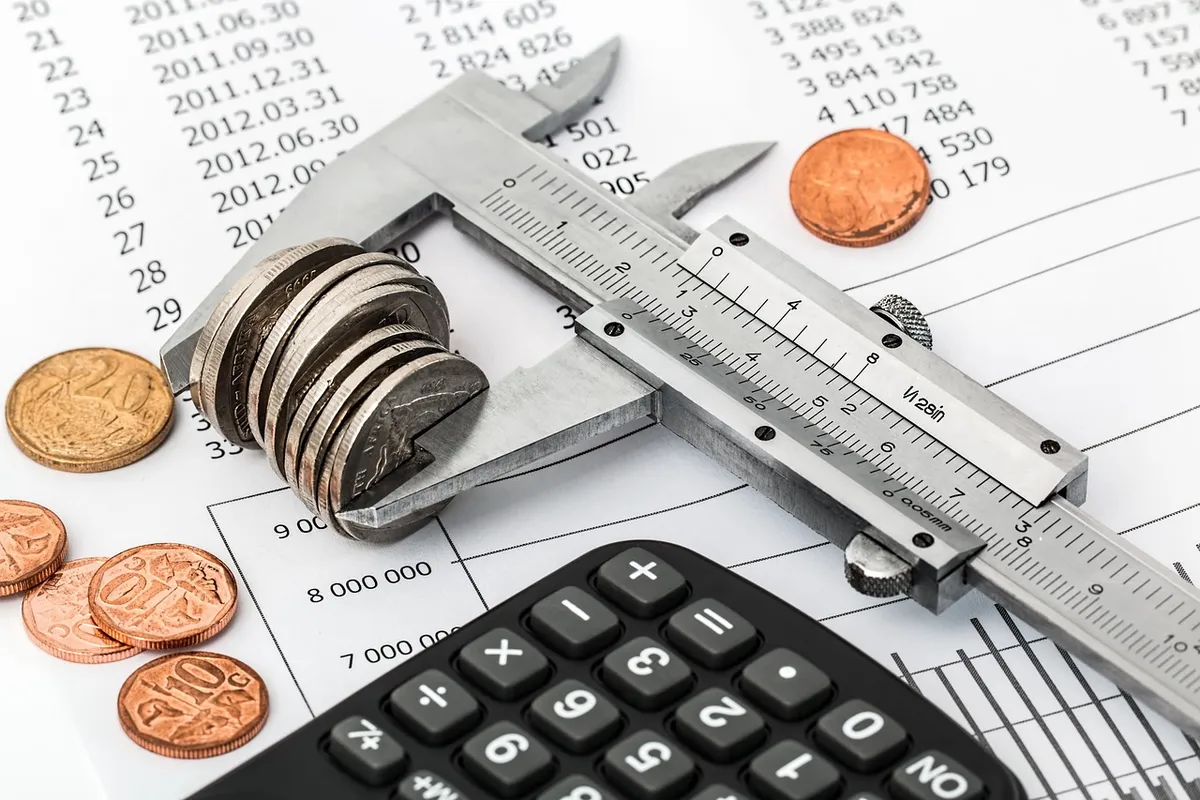
This is a common part of a debt payoff priority plan.
One method focuses on clearing small balances to eliminate individual monthly payments quickly. This approach provides immediate relief and a sense of accomplishment. It can free up cash flow to tackle larger, more complex debts later.
Another method targets the debt with the highest interest rate first. By paying down the most expensive loans, you reduce the total amount of interest paid over the lifetime of your debt. This is often the most mathematically efficient way to manage high-cost liabilities.
| Strategy Focus | Primary Benefit |
|---|---|
| Smallest Balance | Psychological Momentum |
| Highest Interest | Total Cost Reduction |
I once looked at my own stack of bills and realized that tackling the smallest one first felt much more manageable.
However, the effectiveness of these strategies may be limited if your interest rates are too high to allow for principal reduction.
How to manage a building savings first guide?
A person places a few folded bills into a glass jar on a bookshelf, watching the pile grow slowly over several weeks. They feel a slight sense of security knowing the jar is there.
Building savings requires consistent, small contributions that do not compromise your ability to pay for necessities. You should treat your savings contribution as a non-negotiable monthly expense. This discipline is essential for successful beginner money management.
- Set a specific, reachable monthly savings target that fits within your current budget. 2. Automate the transfer of these funds to a separate account to prevent accidental spending. 3. Gradually increase the contribution amount as your income or budget flexibility improves.
After setting the amount, perform a monthly check to ensure you are staying on track. This consistency turns small amounts into a significant cushion over time.

In this sequence, the second step is the most time-consuming.
How do I start building wealth? A person walks through a quiet park, reflecting on the progress they have made by staying disciplined with their budget. They realize that wealth is built through habit, not luck.
The earliest stages of wealth building involve moving from a state of deficit to a state of surplus. This transition occurs when your income consistently exceeds your essential living expenses. Once a surplus exists, you can begin to allocate funds toward both savings and debt.
Focusing on increasing your margin is the most critical early step. This means either increasing your income or decreasing your non-essential spending. This surplus provides the fuel for both your emergency fund and your debt repayment.
Avoiding lifestyle inflation is vital as your financial situation improves. As income rises, it is tempting to increase spending, which can erase your progress. Keeping expenses stable allows you to accelerate your financial goals.
This approach does not apply if you have not yet stabilized your basic monthly cash flow.
Can existing conditions impact your plan?
A person looks at a bank statement reflecting a high household debt level and sighs, realizing the weight of the numbers. They begin to recalculate their monthly budget to account for the reality of their situation. According to ECOS, the nominal GDP was 834925.1 billion KRW as of 2026Q2.
As reported by the IMF, the increasing tax revenues allowed the country to balance its budget and repay its debts to the IMF in 2003, four years ahead of schedule.
Existing financial conditions, such as high household debt or variable interest rates, dictate the urgency of your plan. If you are already managing significant debt, your priority may shift toward stabilization.

High debt-to-GDP ratios in economies show how much leverage can impact stability. For example, foreign debt-to-GDP ratios in some ASEAN economies rose from 100% to 167% between 1993 and 1996, and then shot up beyond 180% during the peak of the crisis.
This illustrates how high leverage can create extreme vulnerability during economic shifts.
A crisis can also involve massive shifts in currency value or sudden demand for specific assets. For instance, the IMF provided a $23 billion rescue package, but the rupiah continued to sink due to corporate debt fears and high demand for dollars.
Such volatility highlights why having a liquid emergency fund is critical.
I am pointing to the fact that existing obligations can significantly alter the timeline of these steps.
Wikipedia: Money market fund (full) Based on the retained excerpt mentioning Treasury Department: The guarantee was backed by assets of the Treasury Department's Exchange Stabilization Fund, up to a maximum of $50 billion.
Related








Comments 0