Volatility trading tactics Cramer style investing guide tips
"The market is a place where people lose everything because they do not have a plan, but for those with a strategy, it is a place of opportunity."
Navigating market shifts requires a disciplined approach to asset management and a clear understanding of historical performance.
This guide explores how to handle volatility through the lens of high-performance fund management, focusing on historical returns, risk mitigation, and the necessity of a structured investment philosophy.

Key takeaways include managing capital through market cycles, understanding the impact of fee structures on net returns, and recognizing that historical success does not guarantee future stability.
How to manage a Cramer style investing guide?
A trader sits at a desk, staring at flickering green and red numbers on a monitor. They must decide whether to hold a position or liquidate assets during a sudden downturn.
Effective management involves maintaining a consistent strategy even when the broader market moves unpredictably. For instance, during his hedge fund tenure, Cramer reported a 24% average annual return over a 14-year period. Such results required constant oversight of capital and risk.
Applying these principles requires a focus on long-term growth rather than reacting to daily noise.
Using a Cramer style investing guide means understanding that even during volatile years, such as 1998 when the S&P 500 rose 29%, a disciplined manager might still face a single year of negative returns. This highlights the importance of preparing for outliers.
What are the best volatility trading tactics?
In the dim light of the office at midnight, the investor wipes sweat from their brow while studying the jagged lines of extreme volatility on the screen.
An investor watches the news as the dot-com bubble reaches its peak, feeling the urge to chase every rising stock.
Successful movements in a shifting market often depend on concentrated focus and decisive action. During the peak of the dot-com bubble in 2000, Cramer self-reported a 36% return. He noted that in February 2000, he only wanted to own 10 specific stocks and was purchasing them daily.

These volatility trading tactics rely on selecting high-conviction assets rather than spreading capital too thin. This approach seeks to capture significant gains when market trends are strong. However, concentration increases risk, meaning a single bad pick can heavily impact the total portfolio.
How can one achieve smart asset management?
A fund manager reviews a quarterly report, calculating the net profit after all management fees have been deducted.
True smart asset management requires accounting for the cost of doing business. For example, Cramer raised $450 million in $5 million increments and received a fee of 20% of the profits he generated. This structure means the net return to the manager is heavily influenced by the profit margin.
One must distinguish between gross returns and the actual money retained. While the fund in 1999 returned 47%, the actual realized gain depends on the specific fee structure in place.
Managing assets effectively means ensuring that the strategy generates enough alpha to cover these significant costs.
What are some real world investment tips?
A professional examines a spreadsheet, comparing the performance of their own portfolio against the S&P 500.
Comparing your own performance to benchmarks is a fundamental part of staying on track. In 2000, the fund returned 28%, beating the S&P 500 by 38 percentage points. This level of outperformance is the goal of active management.

Following real world investment tips involves recognizing that benchmarks move independently of your strategy. Even when a fund performs well, it is vital to know if that success is due to luck or a repeatable process.
I remember looking at my own performance charts and wondering if my recent gains were sustainable or just a temporary market fluke.
How to use market swing strategies?
A trader waits for a market bottom, watching the index drop toward a significant support level.
Capitalizing on market swings requires timing and the ability to hold through turbulence. Before his retirement from the hedge fund in 2001, Cramer said he realized a rate of return of 24% after all fees for 15 years. This longevity suggests a strategy built to weather different market phases.
Effective market swing strategies involve knowing when to exit. The ability to pivot is essential when the environment changes from a bull market to a bear market. Without a clear exit plan, a strategy meant to capture swings can easily turn into a trap during a crash.
How to apply practical asset allocation for risk?
An individual sits in a quiet office, rebalancing their portfolio to ensure they are not overexposed to a single sector.
According to the European Securities Market Authority, the European derivatives market was estimated to be at a size of €660 trillion with 74 million outstanding contracts for the fourth quarter 2017.
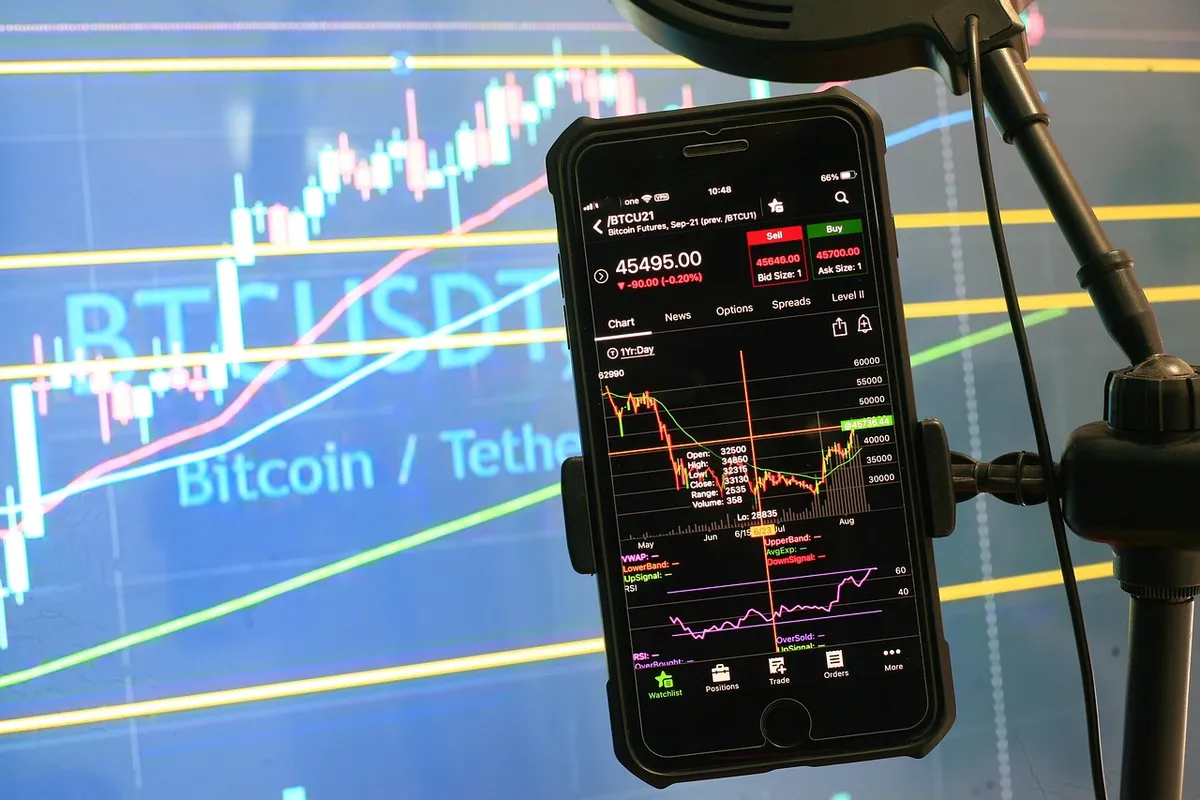
Practical asset allocation for risk requires balancing the desire for high returns with the necessity of capital preservation. For a manager, this might mean managing a massive pool of capital while maintaining enough liquidity to act on opportunities.
| Period | Reported Return | Benchmark Context |
|---|---|---|
| 1999 | 47% | Fund performance |
| 2000 | 28% | Beat S&P 500 by 38% |
One must balance the pursuit of these high returns with the reality of market volatility. While these numbers are impressive, they represent a specific period of high-growth equity markets.
A limitation of applying these historical figures is that they reflect a period of extreme market expansion which may not be repeatable in different economic climates.
- How to manage a Cramer style investing guide?
- What are the best volatility trading tactics?
- How can one achieve smart asset management?
Related
- Global finance security threats: Guide to 90% human error
- How can one navigate the risks of institutional closures?
When does the market become a place of opportunity? It becomes a place of opportunity when an investor possesses a well-defined strategy that allows them to capitalize on market conditions rather than merely reacting to them. A disciplined approach to asset management is necessary to transform potential losses into gains within the market.
Effective capital management during market cycles requires recognizing that past performance, such as the 24% average annual return reported by Cramer over a 14-year span, does not guarantee future results. This understanding forces the investor to maintain a structured investment philosophy.
Risk mitigation is integral to this process, as concentration in high-conviction assets, while aiming for significant gains, inherently increases the risk profile of the portfolio. The ability to pivot when market environments shift is a key component of this successful navigation.
How does fee structure affect investment outcomes? The fee structure dictates the actual net return an investor realizes from their investment performance. For instance, when Cramer received a 20% fee on profits generated from raising capital, the net return was directly shaped by the profit margin achieved.
Distinguishing between gross returns and the money actually retained after fees is a crucial step in smart asset management. Even when a fund achieves a high gross return, the final realized gain must account for the operational costs associated with the fund.
Comparing the fund's return to the S&P 500 benchmark helps ascertain if the outperformance is sustainable or merely a product of a temporary market condition. This comparison reveals the true value added by the active management strategy employed.







Comments 0