1 or 2 degrees: Tips to cut your energy costs and save big
"Stop guessing and start saving: Master the simple calculation methods to understand your electricity consumption and dramatically lower your monthly utility bill."
Understanding how much power you actually use is the difference between a shocking monthly statement and a manageable budget. By mastering the math of kilowatt-hours and identifying your household's biggest energy hogs, you can take control of your spending.
* Know Your Rate: Understanding tiered billing and kilowatt-hour (kWh) consumption is the first step to accurate budgeting. * Target the Big Users: Focus reduction efforts on high-draw appliances like HVAC systems and water heaters rather than small daily habits. * Optimize Your System: Look beyond simple unplugging; embrace energy recycling and efficient technologies to achieve systemic savings. * Future-Proof Your Savings: Aligning consumption with cleaner, more efficient energy sources is the ultimate long-term cost reduction strategy.
How Do I Calculate My Electricity Bill Accurately?
A late afternoon sun hits the kitchen table, illuminating a crumpled paper utility bill that seems much higher than last month. You stare at the number, wondering exactly which appliance caused the spike. According to the Department of Energy, wind power could generate 20% of US electricity by 2030.
According to the International Energy Agency, low-carbon electricity generation needs to account for 85% of global electrical output by 2040 in order to ward off the worst effects of climate change.
To understand your bill, you must master the basic formula: (kWh Used) x (Rate per kWh) + (Fixed Charges) = Total Bill. Most residential customers do not pay a flat fee; instead, they deal with tiered rates.
This means the utility company charges a certain amount for the first block of electricity you use, but as your consumption increases, the price per kilowatt-hour (kWh) often jumps to a higher tier.
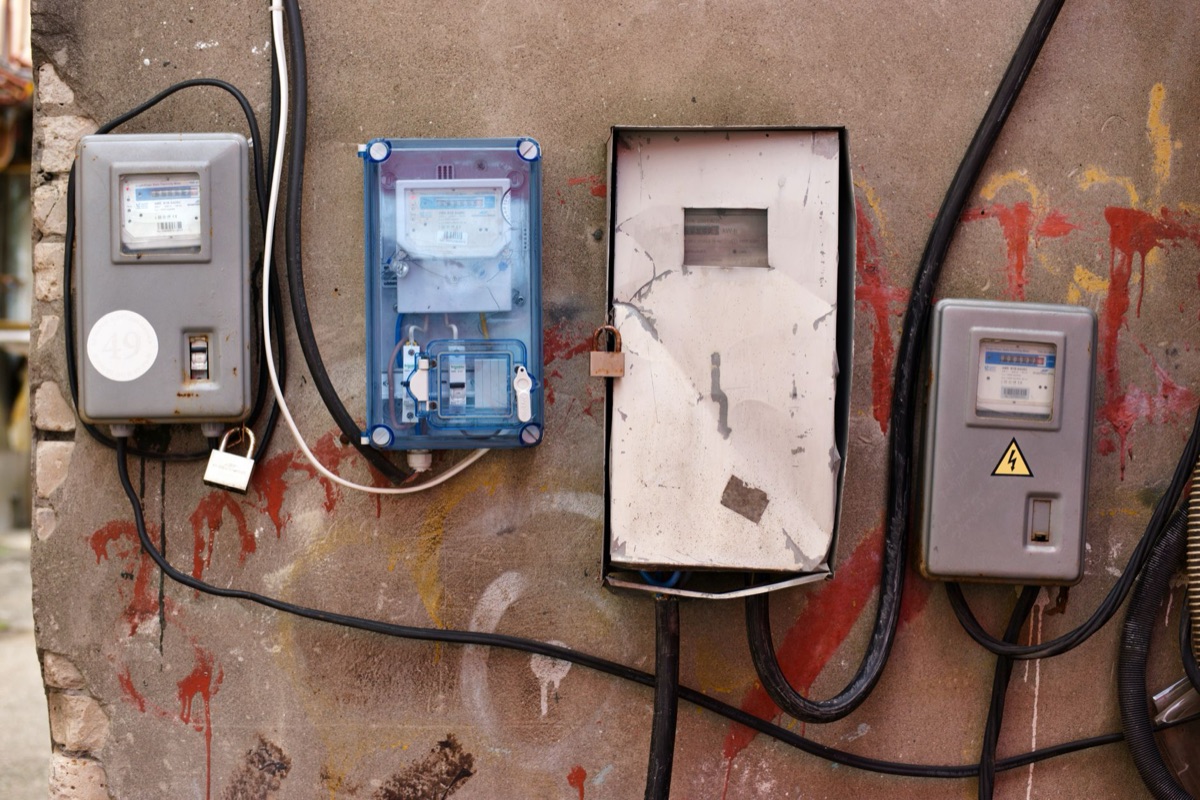
Locating your meter is the first step to verifying these numbers. Find your electric meter—usually located on the side of your house or in a garage—and note the total kWh reading. To find your usage for a specific period, subtract your previous meter reading from the current one.
For effective budgeting, I recommend using a simple spreadsheet to track these numbers. When I started tracking my own usage, I realized that a single weekend of heavy AC use could push me into a much more expensive price tier.
Step-by-Step Meter Reading Guide 1. Find your meter and locate the digital or analog display showing "kWh." 2. Write down the current number and the date. 3. Compare this number to your previous month's closing reading. 4. Subtract the old number from the new number to find your total usage for the period. 5. Multiply that total by your utility's current rate per kWh.
However, these calculations may not account for seasonal rate fluctuations or unexpected peak-hour surcharges. When I first tried tracking my usage manually, I realized I was overlooking the impact of standby power.
I found it much more helpful to check my meter readings weekly rather than waiting for the monthly statement.
Where Is My Energy Going? Analyzing High-Consumption Appliances
The hum of a refrigerator in a quiet living room can sometimes feel like a constant drain on your bank account. You wonder if that little blinking light on the microwave is actually costing you real money. The Department of Energy has said wind power could generate 20% of US electricity by 2030.
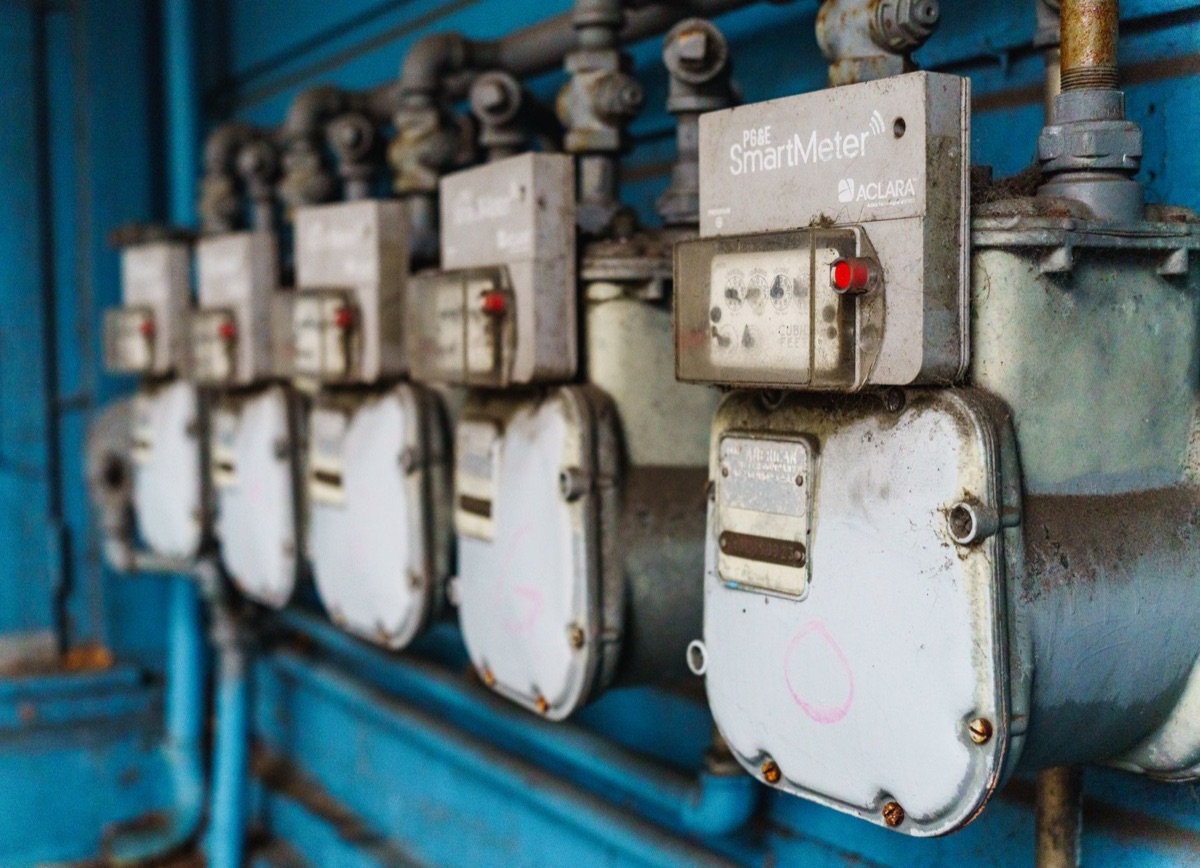
In a typical American home, the "usual suspects" of energy consumption are the HVAC system (heating and cooling), the water heater, and the refrigerator. These appliances require constant or high-intensity power to maintain temperature.
While small electronics matter, these three categories usually account for the bulk of your monthly cost. You should also watch out for "phantom load," also known as vampire power.
This is the electricity consumed by electronic devices while they are switched off or in standby mode. A television or a computer charger might not be running a full program, but they are still pulling a small amount of current.
To get a clear picture, use a smart plug or a dedicated energy monitor. These tools allow you to measure the exact consumption of individual appliances over a 7-day period.
It is important to remember that the broader energy landscape is inherently inefficient; for instance, the centralized power system has an average efficiency of only 34 percent, meaning a significant amount of energy is lost during transmission before it even reaches your home.
| Appliance Type | Typical Energy Profile | Primary Saving Strategy |
|---|---|---|
| HVAC / AC | High, intermittent draw | Thermostat management |
| Water Heater | High, consistent draw | Lowering temperature settings |
| Refrigerator | Medium, constant draw | Coil cleaning and seal checks |
| Lighting | Low, but can add up | LED transitions |
Note that identifying a single culprit can be difficult if multiple devices are running simultaneously. When I audited my own kitchen appliances, I was surprised to see how much energy my older refrigerator was pulling. I now make sure to clean the coils regularly to prevent unnecessary strain.
But what happens when the weather changes and your usage patterns shift entirely?
What Are the Most Effective Ways to Reduce Electricity Usage?
On a sweltering Tuesday, you reach for the thermostat, but you hesitate, thinking about the cost of turning the air conditioning back on. It is a constant mental tug-of-war between comfort and cost.
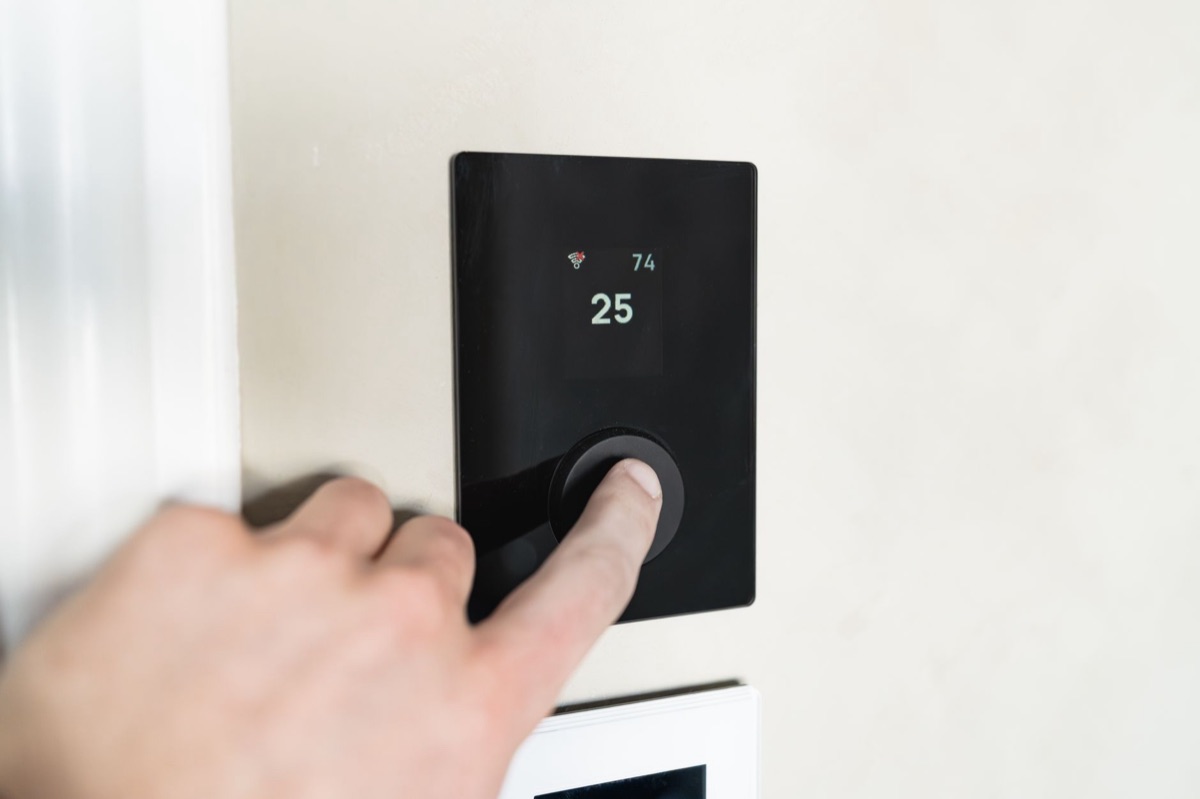
The most impactful changes are often behavioral. For temperature management, try adjusting your thermostat by just 1 or 2 degrees. In the summer, raising the temperature slightly can significantly reduce the runtime of your AC. In the winter, lowering it can produce similar results.
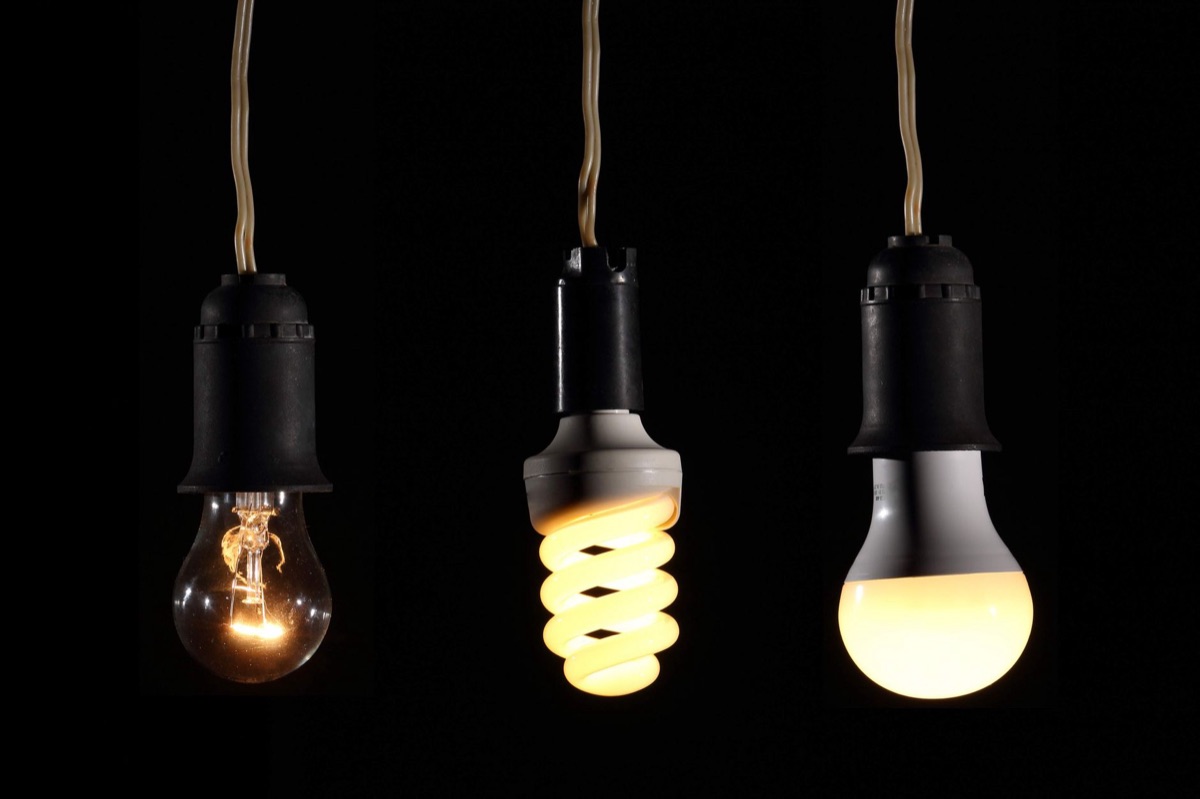
Regarding lighting and electronics, switching to LED bulbs is one of the fastest ways to see a difference. Because LEDs use a fraction of the power required by incandescent bulbs, the ROI is almost immediate.
Additionally, when old, inefficient appliances fail, replace them with high-efficiency models. There are certain situations where these strategies may not apply, such as in extreme weather conditions where maintaining a minimum temperature is a matter of safety rather than just comfort.
Quick Savings Checklist 1. Thermal Management: Use heavy curtains to block sunlight in summer and keep heat in during winter. 2. LED Transition: Replace every incandescent bulb in the house with an LED equivalent. 3. Smart Strips: Use power strips that can cut power to peripherals when the main device is off. 4. Maintenance: Clean AC filters monthly to prevent the motor from overworking.
Keep in mind that these methods may not yield immediate results if your home has poor insulation. When I started switching to LED bulbs, I didn't notice a huge difference in my bill right away. I learned that combining small habit changes with better hardware is the only way to see real progress.
However, even with the best habits, a poorly maintained home can leak energy faster than you can save it.
Why Does Insulation Matter for Your Monthly Bill?
You walk into a room in the middle of winter and feel a sudden, sharp chill that seems to come from the very walls. You adjust your sweater, wondering why the heater is running constantly despite the thermostat being set high.
Insulation acts as the thermal barrier of your home. Without it, your HVAC system must work twice as hard to combat the heat transfer occurring through your roof, walls, and windows.
If your home lacks adequate insulation, your energy-saving habits like adjusting the thermostat will feel almost useless. The heat you are paying to create simply escapes into the atmosphere.
Poor insulation can lead to "thermal bridging," where heat moves through solid parts of the house, such as studs or window frames. This makes it difficult to maintain a stable indoor temperature regardless of how efficient your appliances are.
To combat this, consider checking the attic insulation levels and ensuring windows are properly sealed. While the initial cost of upgrading insulation can be high, the long-term reduction in monthly utility bills is often significant.
Addressing the shell of your house is the foundation of all other energy-saving efforts. But once the house is sealed, how do you manage the energy that flows through it?
How Do Smart Technologies Help Manage Consumption?
You stand in your darkened living room, looking at your smartphone screen as you tap a single button to turn off the lights. The silence of the house is broken only by the soft glow of the smart hub on the shelf.
Smart technology allows for granular control over your energy usage. Smart thermostats, for example, can learn your schedule and automatically adjust temperatures when you are not home, preventing unnecessary heating or cooling of an empty house.
Smart plugs can also mitigate the "vampire power" issue mentioned earlier. You can set schedules to completely cut power to entertainment centers or office equipment during the hours you are sleeping or at work.
These technologies turn passive appliances into active participants in your energy management strategy. They provide data in real-time, allowing you to see exactly when and where your money is being spent.
| Technology | Primary Benefit | Complexity Level |
|---|---|---|
| Smart Thermostat | Automates temperature control | Moderate |
| Smart Plugs | Eliminates standby power | Low |
| Smart Lighting | Reduces wasted illumination | Low |
While these tools are helpful, they are not a magic fix for high-consumption appliances. I remember when I first installed a smart thermostat; I was disappointed that my bill didn't drop instantly until I realized I also needed to address my old, leaky windows.
Related






Comments 0